
 ★ 8.1
StreamDor: the free classics of the cinema
Some of the greatest films ever made belong to everyone. This guide gathers 154 classics of the silent and golden ages that circulate freely, most of them in the American public domain, on twelve shelves: silent comedy, horror, drama and the European silents; the first talkies and the films of fact; and the comedies, noirs, horror films, cult oddities, detectives, westerns and family films of the 1930s to the 1960s, with synopses, cast and where to watch.
Free classics
Silent comedySilent comedy
See all (13)★ 8.1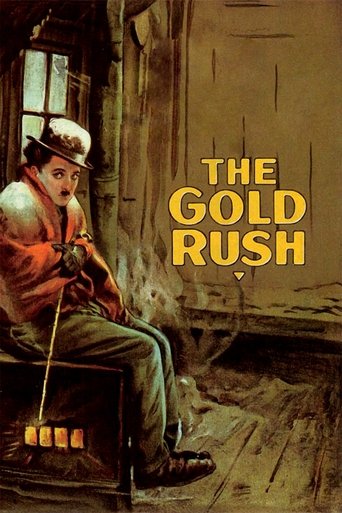 ★ 8.0
 ★ 7.9
 ★ 8.0
 ★ 7.9
 ★ 7.7
 ★ 7.8
 ★ 7.6
 ★ 7.5
 ★ 7.5
 ★ 7.1
 ★ 6.9
Silent horror and fantasySilent horror and fantasy
See all (13)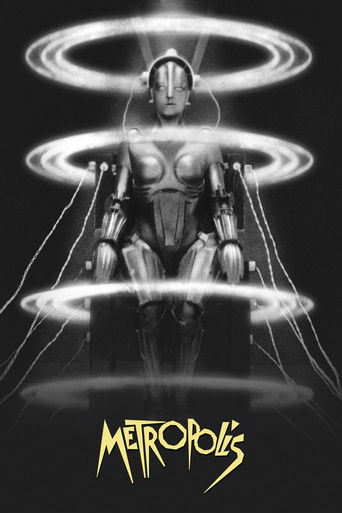 ★ 8.1
 ★ 7.7
 ★ 7.9
 ★ 7.6
 ★ 7.9
 ★ 7.1
 ★ 7.7
 ★ 7.0
 ★ 7.3
 ★ 7.5
 ★ 7.3
 ★ 6.7
Silent dramaSilent drama
See all (13)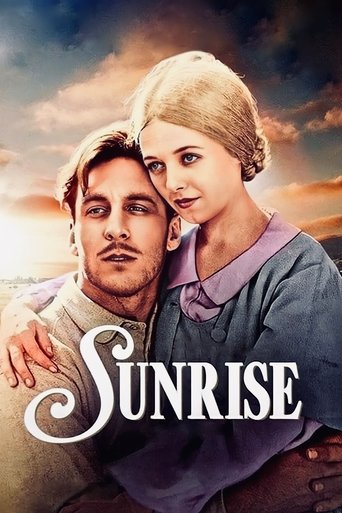 ★ 7.8
 ★ 7.1
 ★ 7.2
 ★ 7.2
 ★ 6.1
 ★ 6.9
 ★ 7.3
 ★ 7.6
 ★ 7.3
 ★ 7.6
 ★ 7.3
 ★ 6.9
European silentsEuropean silents
See all (13)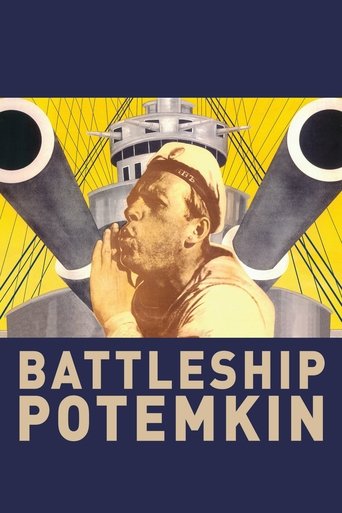 ★ 7.6
 ★ 8.0
 ★ 7.9
 ★ 7.8
 ★ 7.4
 ★ 7.4
 ★ 7.5
 ★ 7.9
 ★ 6.9
 ★ 7.7
 ★ 7.4
 ★ 7.8
The first talkiesThe first talkies
See all (13)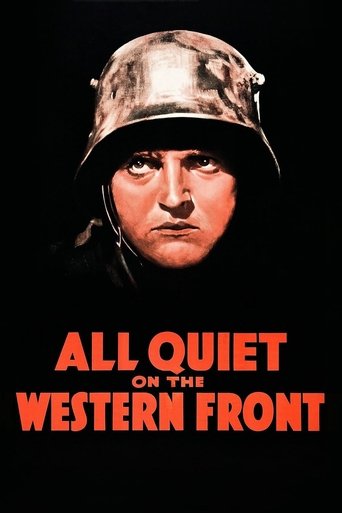 ★ 7.8
 ★ 7.3
 ★ 6.8
 ★ 6.5
 ★ 6.9
 ★ 5.1
 ★ 6.5
 ★ 6.7
 ★ 5.9
 ★ 6.8
 ★ 6.5
 ★ 6.6
Films of factFilms of fact
See all (13)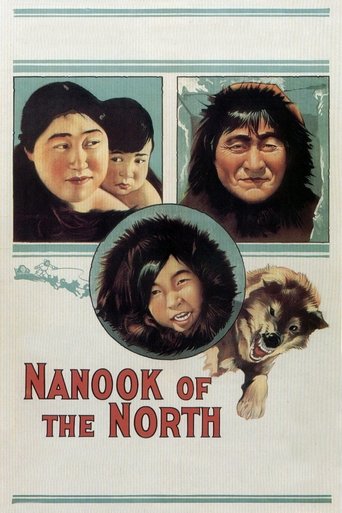 ★ 7.1
 ★ 7.5
 ★ 5.9
 ★ 6.1
 ★ 6.4
 ★ 7.3
 ★ 6.7
 ★ 6.8
 ★ 7.7
 ★ 5.7
 ★ 6.7
 ★ 7.0
Comedy and romanceComedy and romance
See all (13)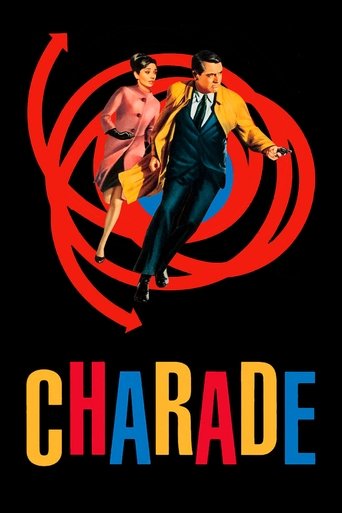 ★ 7.7
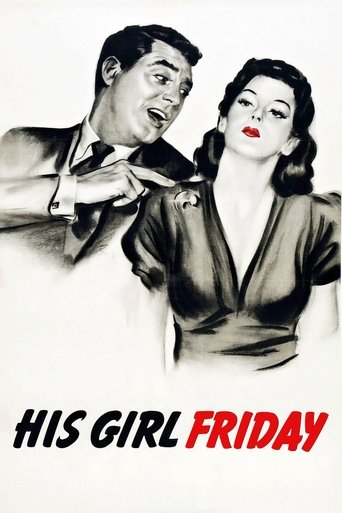 ★ 7.4
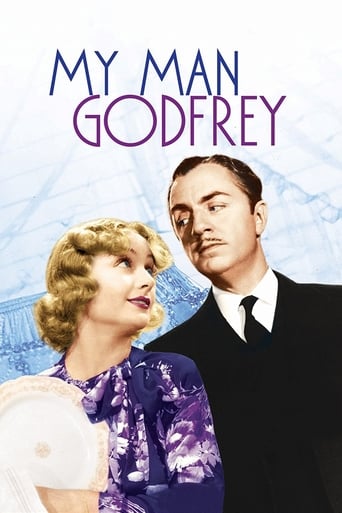 ★ 7.6
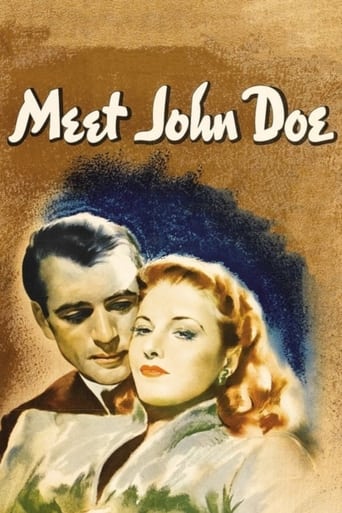 ★ 7.3
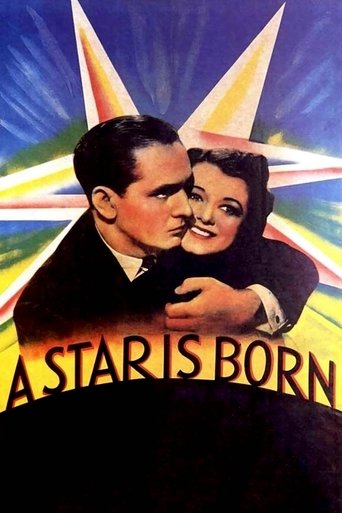 ★ 7.2
 ★ 6.1
 ★ 6.6
 ★ 6.4
 ★ 6.2
 ★ 6.7
 ★ 6.5
 ★ 6.7
Film noirFilm noir
See all (13)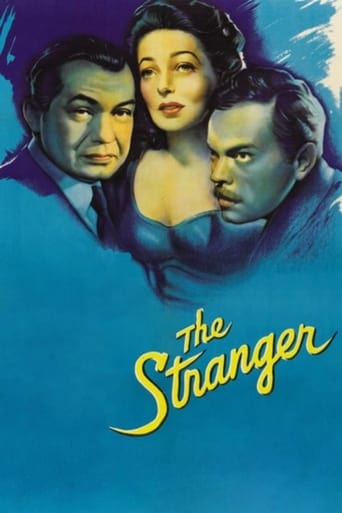 ★ 7.2
 ★ 7.6
 ★ 7.2
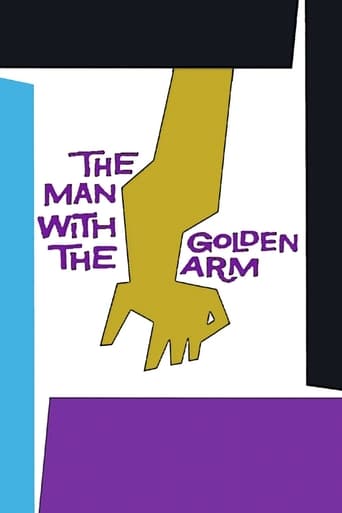 ★ 7.1
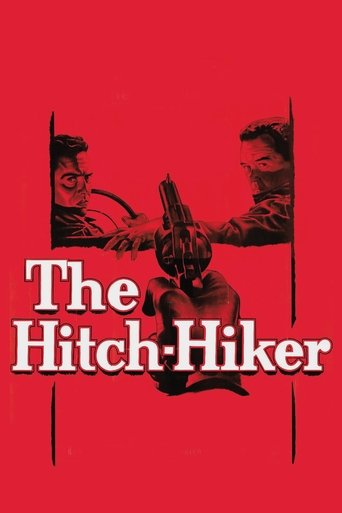 ★ 6.8
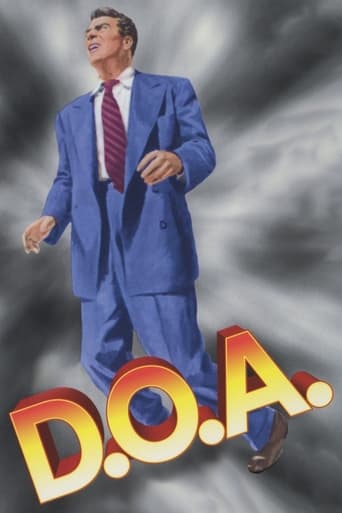 ★ 6.9
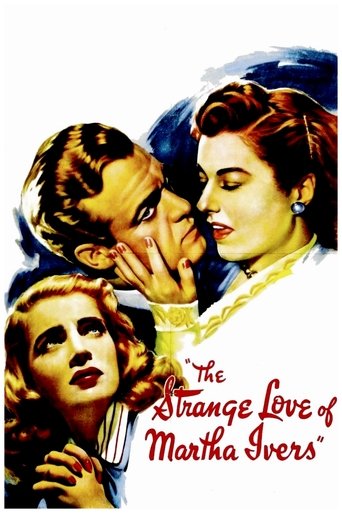 ★ 7.1
 ★ 7.0
 ★ 6.8
 ★ 6.8
 ★ 6.1
 ★ 6.1
B-movie horrorB-movie horror
See all (13)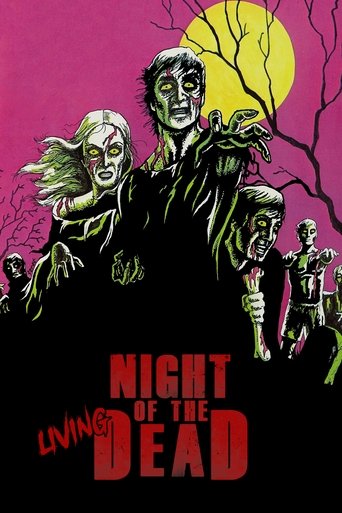 ★ 7.6
 ★ 6.7
 ★ 6.9
 ★ 6.6
 ★ 6.3
 ★ 6.0
 ★ 5.5
 ★ 5.1
 ★ 6.6
 ★ 5.9
 ★ 4.5
 ★ 4.0
Cult and campCult and camp
See all (13)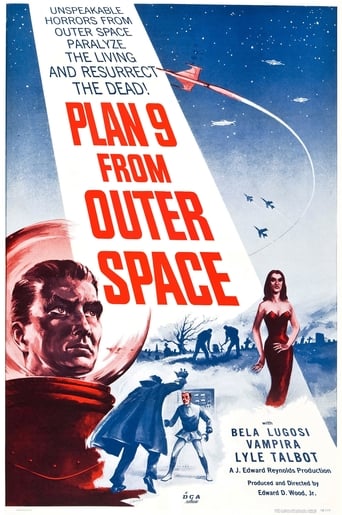 ★ 4.2
 ★ 2.2
 ★ 4.7
 ★ 3.2
 ★ 4.4
 ★ 4.4
 ★ 4.5
 ★ 2.3
 ★ 2.8
 ★ 4.1
 ★ 4.0
 ★ 4.1
Detectives and westernsDetectives and westerns
See all (13)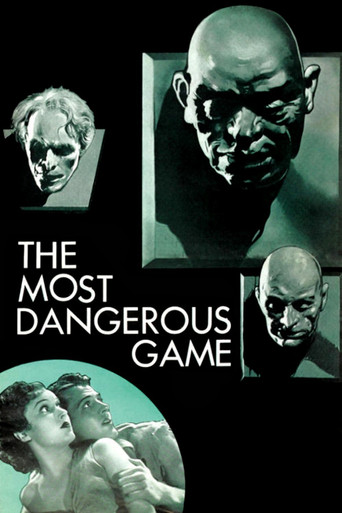 ★ 6.9
 ★ 6.6
 ★ 6.6
 ★ 6.5
 ★ 6.4
 ★ 6.7
 ★ 6.4
 ★ 5.4
 ★ 5.7
 ★ 6.4
 ★ 6.2
 ★ 5.4
Family classicsFamily classics
See all (11)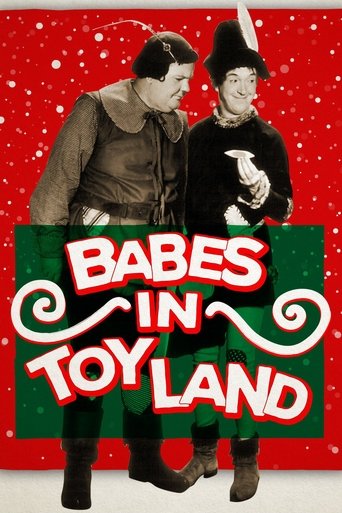 ★ 6.3
 ★ 6.2
 ★ 6.5
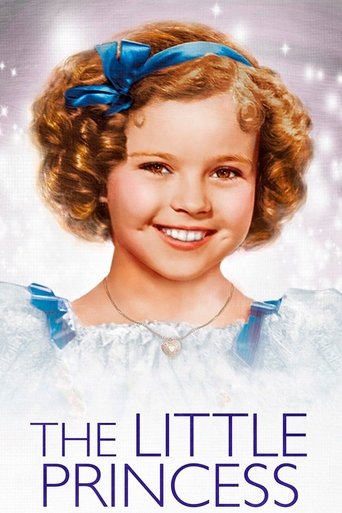 ★ 6.6
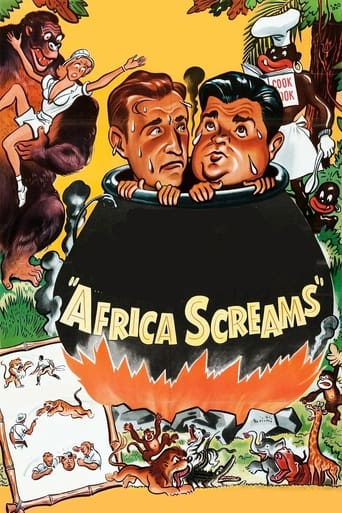 ★ 5.7
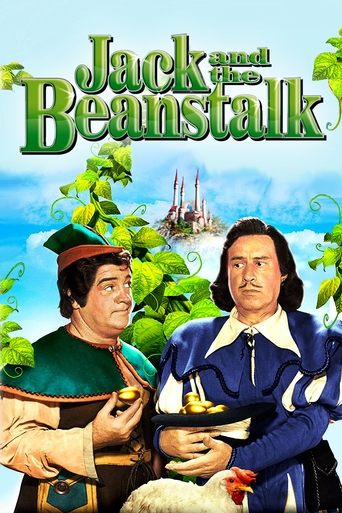 ★ 5.7
 ★ 6.8
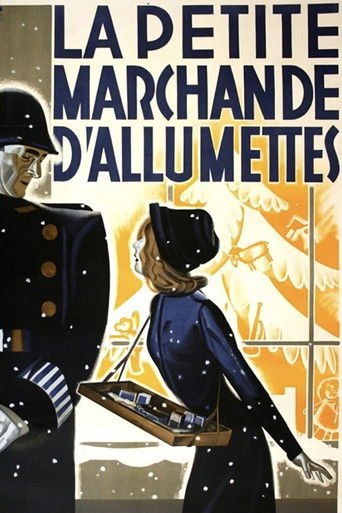 ★ 6.9
 ★ 6.6
 ★ 6.3
 ★ 5.7
The StreamDor guide
StreamDor: the free classics of the cinema
Films that belong to everyone
Some of the greatest films ever made are free. They are free in the strongest sense: anyone may copy them, show them and share them, because they have passed into the public domain. In the United States, every film released before 1931 now belongs to everyone, from the comedies of Charlie Chaplin and Buster Keaton to the first talkies of 1929 and 1930, and a long list of later films joined them when their owners failed to renew their copyright or to print a proper notice on the reels: His Girl Friday, Detour, Charade and Night of the Living Dead among them. These are the films that circulate on video sites and in the free collections of libraries and archives, often in many versions of very different quality.
StreamDor was a catalogue of such films: a site that listed the full-length films offered freely on YouTube, more than 25,000 of them by its own count, and opened each one in a player of its own. This guide keeps that idea and turns it into a selection. It gathers 154 classic films of the silent and golden ages that circulate freely, most of them in the American public domain, from Intolerance, of 1916, to Night of the Living Dead, of 1968, and sorts them on twelve shelves, in three families. Each film has an English synopsis, its cast and director, and a Watch now button that opens it on JustWatch, where you can see the services that offer it in your country. The guide Start with StreamDor picks one film from each shelf, and the guide The public domain explains the rules that set these films free.
The first family, The silent screen, holds the comedies, the horror and fantasy films, the dramas and the European silents of the 1910s and 1920s. The second, Early sound and fact, holds the first talkies of 1929 and 1930 and the documentaries of the early years, from Nanook of the North to the films of the Second World War. The third, The free golden age, holds the later films that also circulate freely: comedies and romances, films noirs, B-movie horror, cult oddities, detectives and westerns, and family classics. Together the 154 films carry about 53,000 votes on TMDB, with an average rating of 6.58; the most voted is Metropolis, of 1927, by Fritz Lang, and the best rated are Metropolis and The Kid, of 1921, by Charlie Chaplin, with an 8.1 each.
The site of 2017
The Wayback Machine keeps copies of streamdor.com from 2016 to 2026, and the captures of 2017 to 2020 show the site at its busiest. The page is a light grey. Across the top runs a dark navy bar, sixty pixels high, with the logo on the left, a message in pale blue that counts the free films on YouTube, followed by the words Updated daily in orange, and the white links of the menu, among them My Movies with a counter. Below come a breadcrumb and filter links in blue, by genre, year and quality, and then the grid of films, six posters to a row on a wide screen, each poster turning grey when the pointer passes over it, with the title, the year and the genre in small blue-grey letters and a little box for the quality. At the foot, a long notice in italics explains that every film is hosted by YouTube and that the site only lists what YouTube already offers.
This guide keeps that look: the light grey page, the navy bar with its white links that underline in orange, the orange of the search button and the hovers, the blue of the filters for the headings of the shelves, and the posters that turn grey under the pointer. The counter of the old bar becomes the board of the home page, a navy panel called Free classics, with twelve boxes, one per shelf, each with its family in pale blue, its name and its number of films. Each poster carries the year and the TMDB rating in blue-grey, and, in a navy band at the bottom, the tag of its shelf, such as Silent comedy or Noir. The guide The site of 2017 describes the captures; only their look was measured, and the guide uses its own data and images from TMDB.
How the free classics work
Every film of the guide was released before 1969 and circulates freely, as a film of the public domain in the United States or as a film widely offered for free by archives and video sites. The silent films and the talkies of 1929 and 1930 are in the American public domain by their age; the later films are among the many whose copyright lapsed. The films were chosen by hand from TMDB, and each one sits on a single shelf; each shelf keeps its thirteen most voted films and lists them by votes, so that the best known come first. Rights differ from country to country, and a film free in the United States may still be protected elsewhere, so the Watch now button opens JustWatch, which shows what is offered where you live.
The guide is in English, but the cinema of these years was international, and 25 of its films come from other languages, most of them silent films whose intertitles have been translated: fourteen in German, four in Russian, four in French, two in Swedish and one in Ukrainian. The longest film of the guide is Napoleon, of 1927, by Abel Gance, at 425 minutes in its restored version, and the shortest is The Battle of Midway, of 1942, by John Ford, eighteen minutes of combat filmed by the director himself. The guide How the free classics work sums up the rules.
The silent screen
The first family, The silent screen, gathers 52 films of the 1910s and 1920s, with about 30,500 votes and an average of 7.46, the best rated family of the guide. These are the films made before the cinema learned to speak, when the story was told by the faces of the actors, the movement of the camera and a few lines of text between the shots, and when a live orchestra or a single pianist played in front of the screen. Restored and accompanied by new music, many of them look today as fresh as the day they were made. The guide The silent screen sums up the family.
Silent comedy
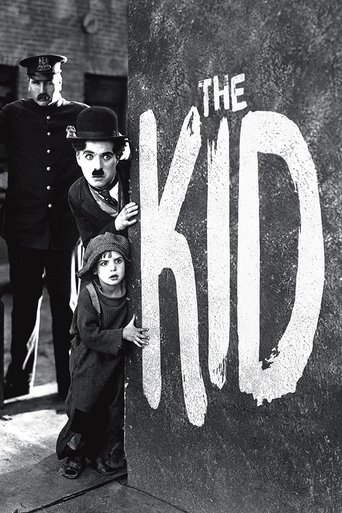
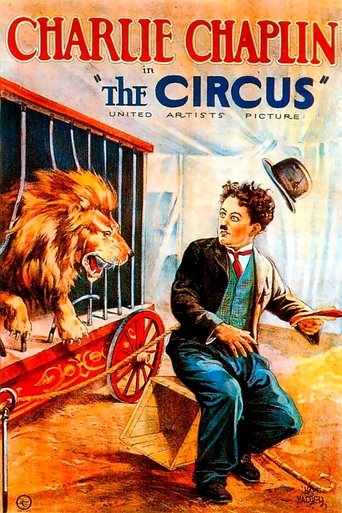
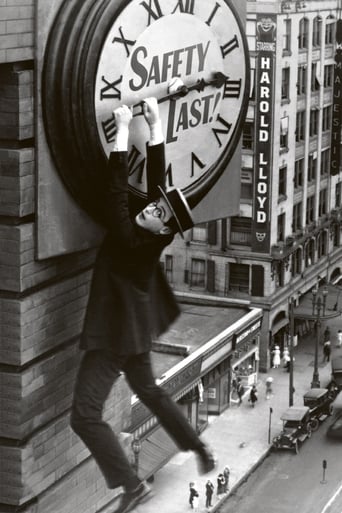
The shelf Silent comedy holds thirteen films from 1921 to 1928, and it is the best rated shelf of the guide, with an average of 7.62. It belongs to three great clowns. Charlie Chaplin has three films on it: The Kid, of 1921, his first feature, in which the Tramp raises an abandoned child played by Jackie Coogan, rated 8.1, the best rated film of the guide with Metropolis; The Gold Rush, of 1925, the Tramp in the snows of the Klondike, with the dance of the bread rolls and the boiled shoe, rated 8.0, and The Circus, of 1928, rated 7.9. Harold Lloyd has two: Safety Last!, of 1923, with the famous image of the hero hanging from the hands of a clock high above a street of Los Angeles, rated 7.7, and The Freshman, of 1925, a student who wants to be popular and ends up on the football field.
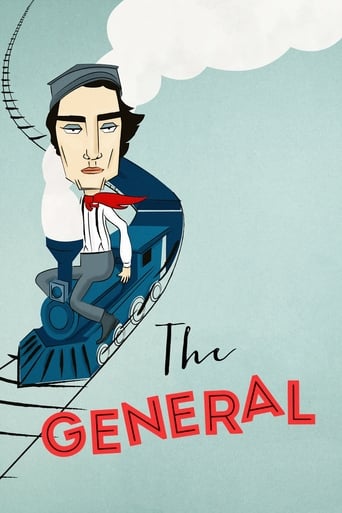
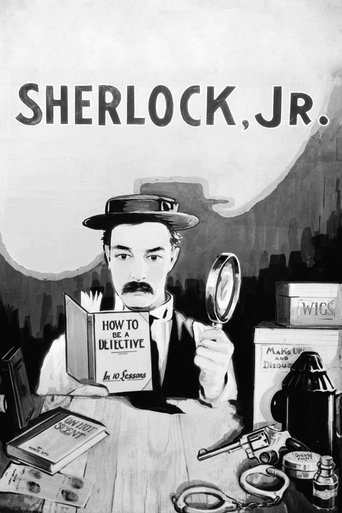
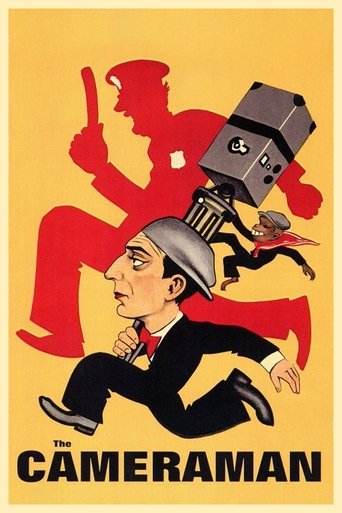
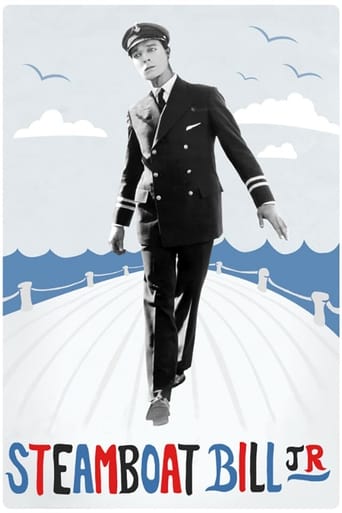
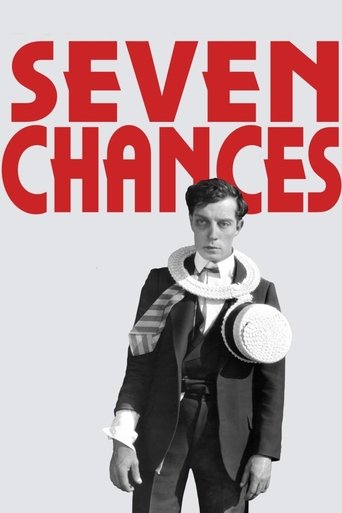
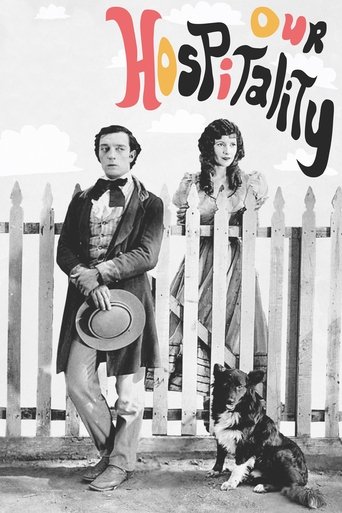
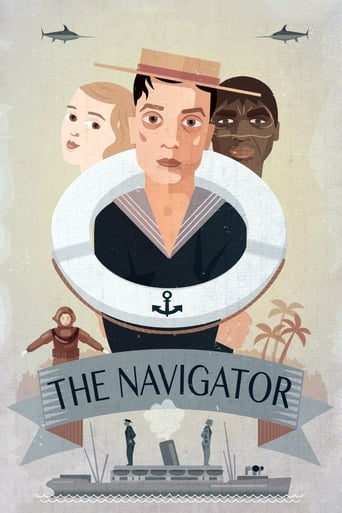
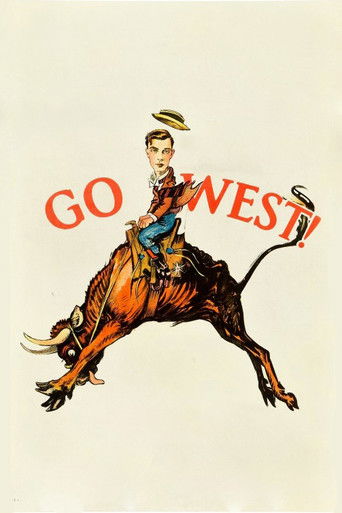
Buster Keaton has the other eight, more than any other actor of the guide. The General, of 1926, which he co-directed with Clyde Bruckman, is the story of a train driver of the South who chases his stolen locomotive across the lines of the Civil War, rated 7.9; Sherlock Jr., of 1924, in which a projectionist falls asleep and walks into the film on the screen, is rated 8.0 and lasts only 45 minutes. Steamboat Bill, Jr., of 1928, has the falling façade of a house that leaves Keaton standing in the open window; The Cameraman, of 1928, rated 7.8, Our Hospitality, of 1923, a feud in the South, Seven Chances, of 1925, a groom chased by hundreds of brides, The Navigator, of 1924, two rich heirs alone on an ocean liner, and Go West, of 1925, a cowboy and his cow, complete his films. The guide The great clowns compares the three.
Silent horror and fantasy
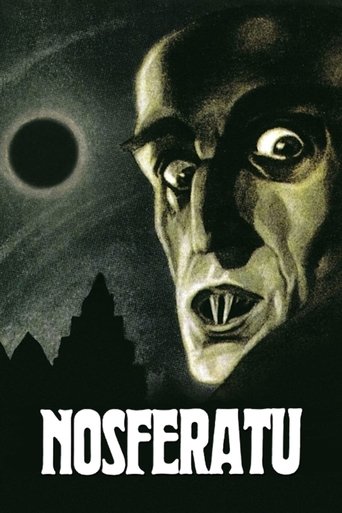
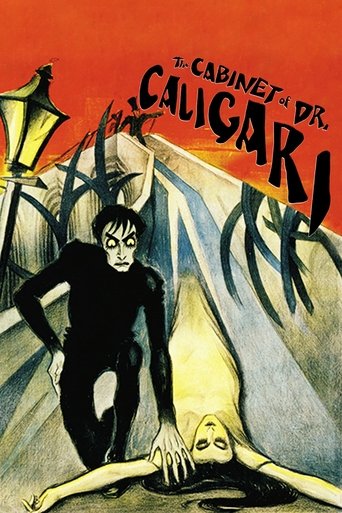
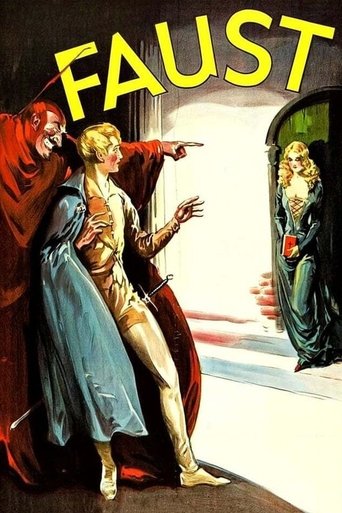
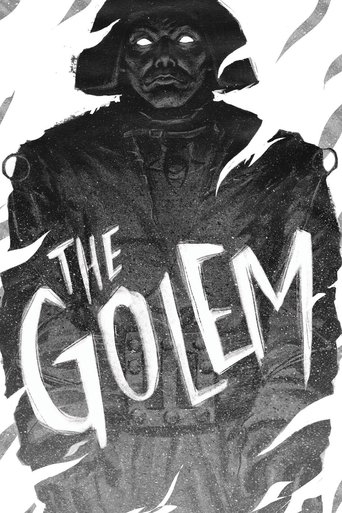
The shelf Silent horror and fantasy holds thirteen films from 1920 to 1928, and it is the shelf of German Expressionism, with its painted shadows and crooked streets. Its most voted film is the most voted of the guide: Metropolis, of 1927, by Fritz Lang, a city of the future where workers toil underground while the rich play in towers above, with Brigitte Helm as the woman and her robot double, rated 8.1. Nosferatu, of 1922, by F. W. Murnau, with Max Schreck as Count Orlok, the first great vampire of the cinema, rated 7.7, and The Cabinet of Dr. Caligari, of 1920, by Robert Wiene, a hypnotist who uses a sleepwalker to kill, rated 7.9, are its other two landmarks. Murnau also made Faust, of 1926, with Emil Jannings as Mephisto, rated 7.9, and the Golem of Paul Wegener completes the German films.
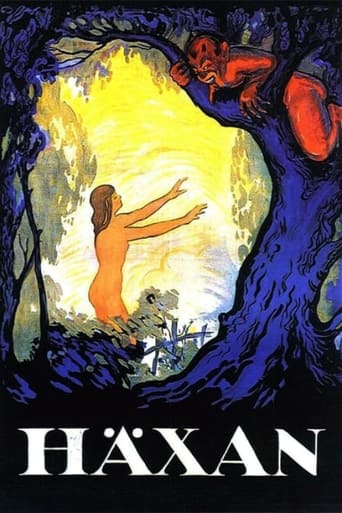
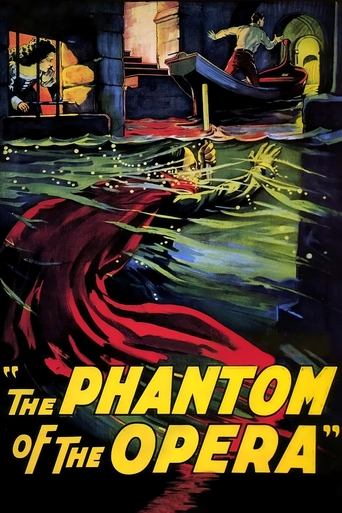
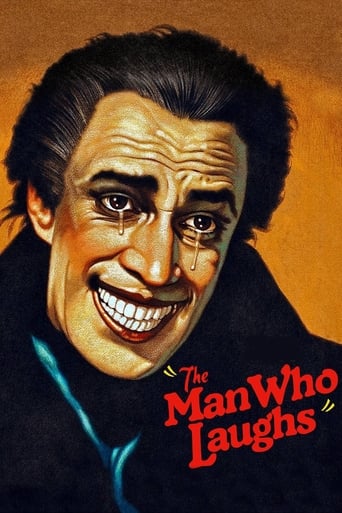
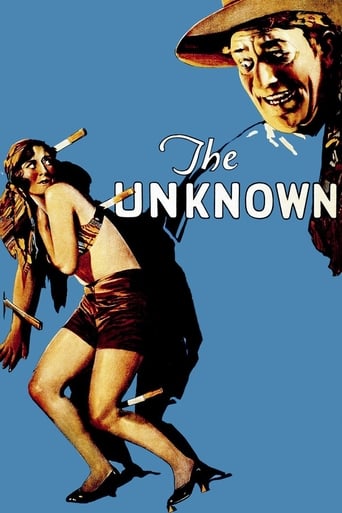
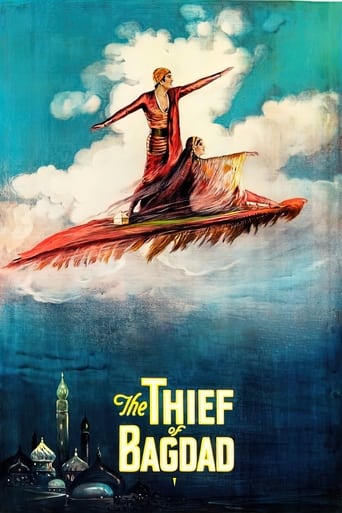
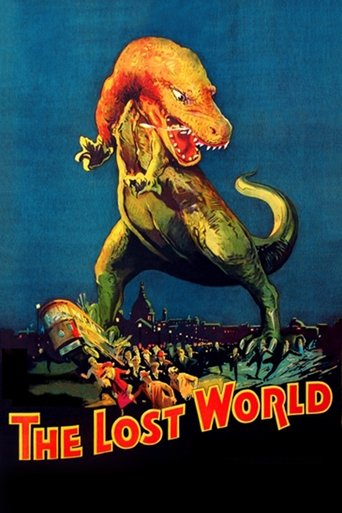
Hollywood had its own horror stars. Lon Chaney, the man of a thousand faces, is the Phantom in The Phantom of the Opera, of 1925, and the armless knife thrower of The Unknown, of 1927, by Tod Browning; Conrad Veidt, the sleepwalker of Caligari, is the man with the carved smile in The Man Who Laughs, of 1928, and John Barrymore is both doctor and monster in Dr. Jekyll and Mr. Hyde, of 1920. Sweden gave the shelf two classics: the witches of Häxan, of 1922, by Benjamin Christensen, and the ghostly coach of The Phantom Carriage, of 1921, by Victor Sjöström, which Ingmar Bergman counted among the films that shaped him most. Douglas Fairbanks flies on a magic carpet in The Thief of Bagdad, of 1924, and The Lost World, of 1925, from the novel of Arthur Conan Doyle, brings dinosaurs to London with the stop-motion effects of Willis O'Brien, who later animated King Kong.
Silent drama
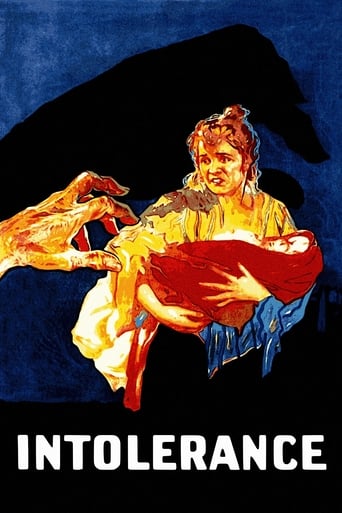
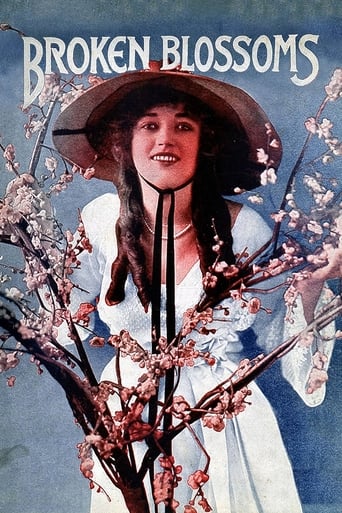
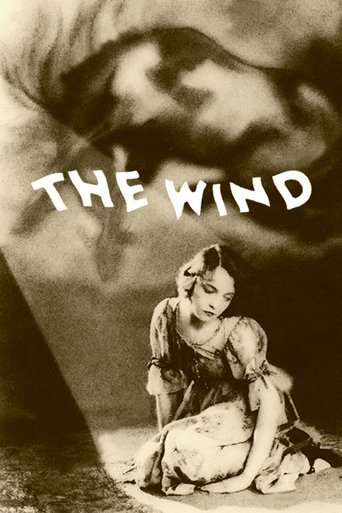
The shelf Silent drama holds thirteen films from 1916 to 1928, all American or British, and it holds the oldest film of the guide: Intolerance, of 1916, by D. W. Griffith, four stories from four ages woven together in 197 minutes, with sets of Babylon that towered over Hollywood for years. Griffith has two more films on the shelf, both with Lillian Gish, the great tragic actress of the silent screen: Broken Blossoms, of 1919, and Way Down East, of 1920, with its rescue on the ice floes of a frozen river. Gish appears a fourth time in The Wind, of 1928, by Victor Sjöström, a woman driven mad by the dust storms of Texas.
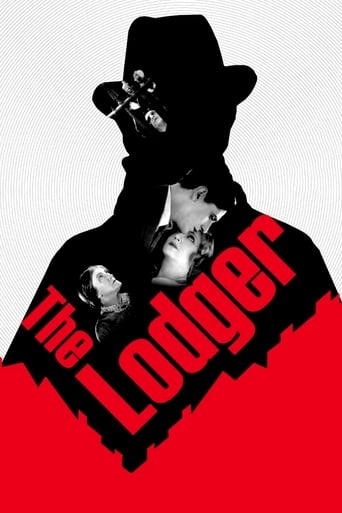
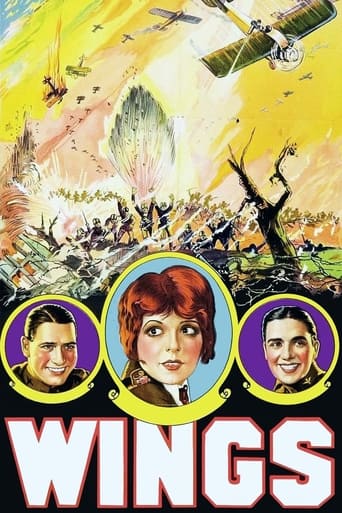
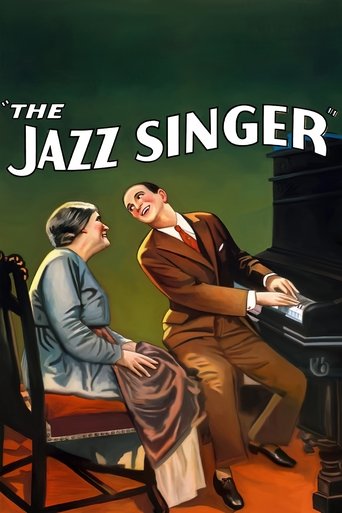
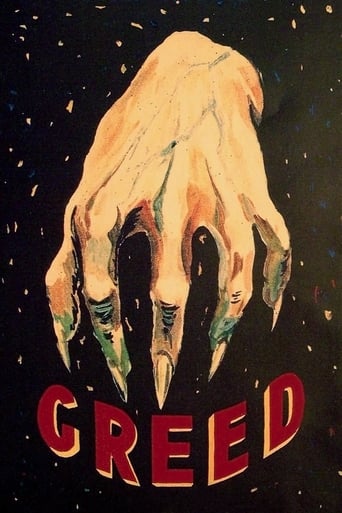
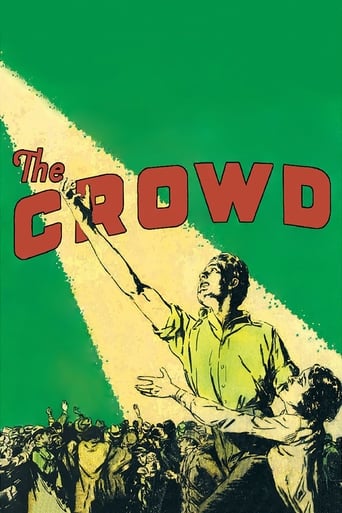
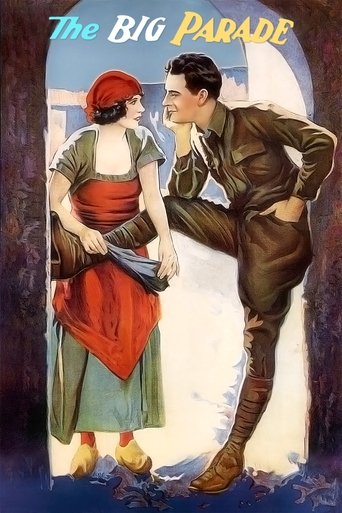
The best rated film of the shelf is Sunrise: A Song of Two Humans, of 1927, the first American film of Murnau, a farmer tempted to drown his wife, rated 7.8; it won an award for unique and artistic production at the first Academy Awards, where Wings, of 1927, by William A. Wellman, the air battles of the First World War, won the award for best picture. King Vidor has two films on the shelf: The Big Parade, of 1925, the war seen by a common soldier, and The Crowd, of 1928, the life of an ordinary clerk lost in New York, both rated 7.6. Greed, of 1924, by Erich von Stroheim, a story of avarice that ends in Death Valley, survives only in a version cut by the studio; Ben-Hur: A Tale of the Christ, of 1925, has its own chariot race; 7th Heaven, of 1927, by Frank Borzage, is the romance of Paris, one of the three films that won Janet Gaynor the first award for best actress; The Jazz Singer, of 1927, with Al Jolson, is the film that brought synchronised songs and a few spoken lines to the screen, and The Lodger, of 1927, is the first true thriller of Alfred Hitchcock, a mysterious lodger in a London haunted by a killer.
European silents
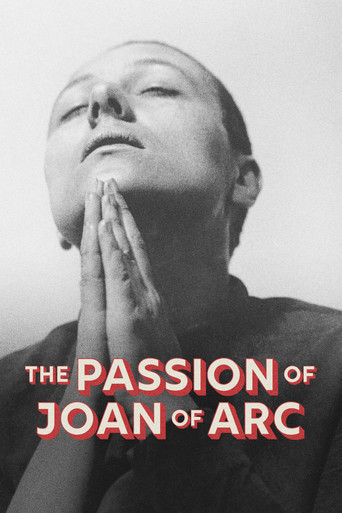
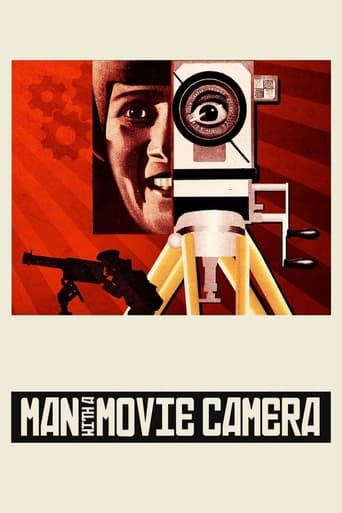
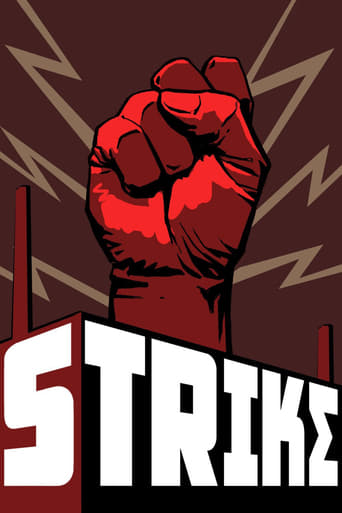
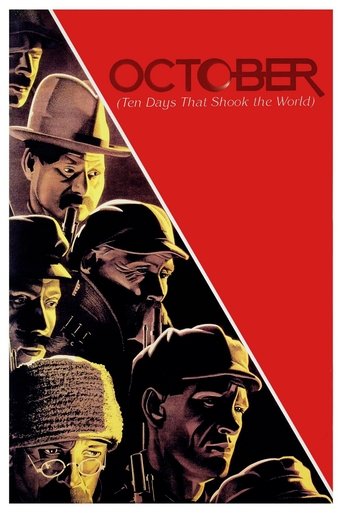
The shelf European silents holds thirteen films from 1921 to 1929, from Germany, the Soviet Union and France. Its best rated film is The Passion of Joan of Arc, of 1928, by Carl Theodor Dreyer, the trial of Joan told almost entirely in close-ups of faces, with Maria Falconetti in a single, overwhelming performance, rated 8.0. The Soviet cinema of montage gave the shelf four films: Battleship Potemkin, of 1925, by Sergei Eisenstein, the mutiny of 1905 with its massacre on the Odessa steps, the most voted film of the shelf; Strike, of 1925, and October, of 1928, also by Eisenstein, and Man with a Movie Camera, of 1929, by Dziga Vertov, a day in the life of a Soviet city filmed among real people in the streets, a symphony of images rated 7.9.
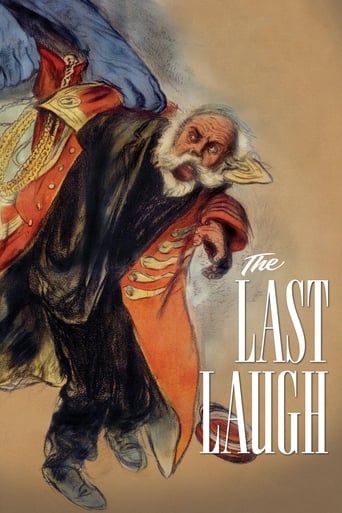
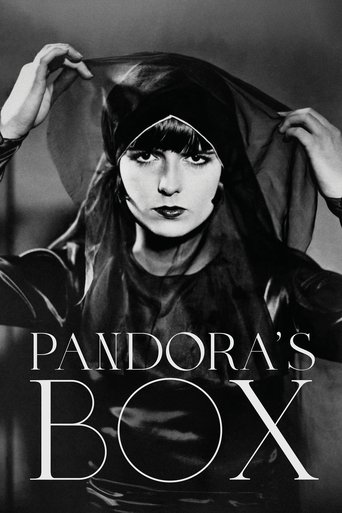
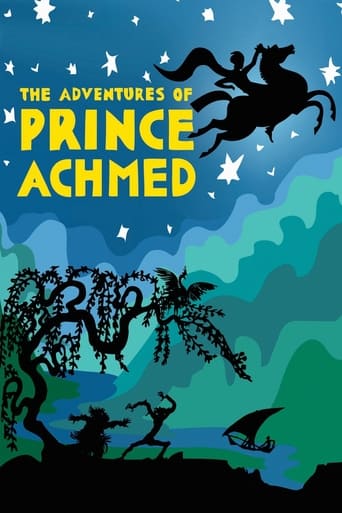
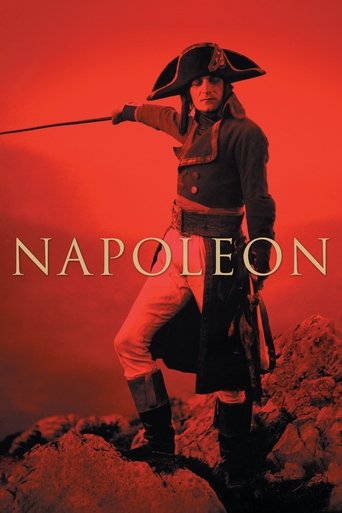
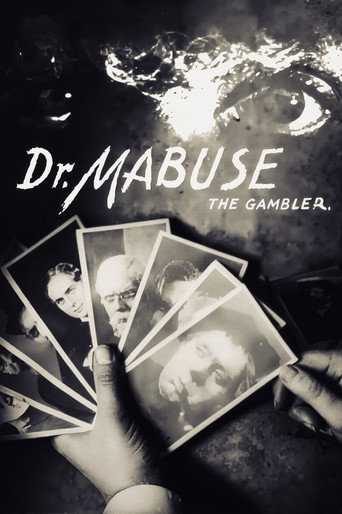
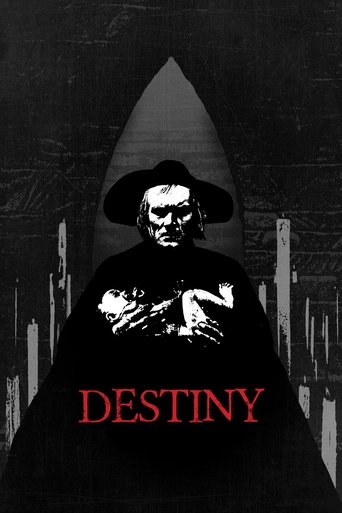
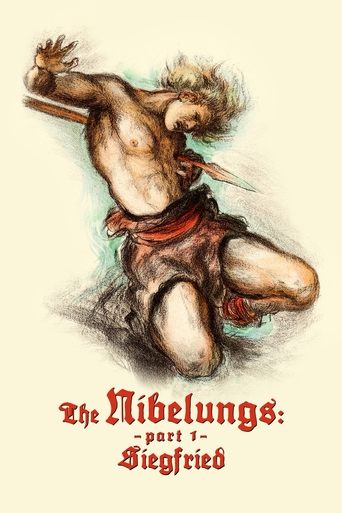
Fritz Lang directed three films of the shelf, as well as Metropolis and Scarlet Street, which sit elsewhere in the guide: the gambler and criminal mastermind of Dr. Mabuse, the Gambler, of 1922, in two parts of 271 minutes; the medieval legend of Die Nibelungen: Siegfried, of 1924, rated 7.8, and the fable of Destiny, of 1921, in which a young woman bargains with Death for the life of her lover; his thriller Spies, of 1928, also circulates freely. G. W. Pabst made the two films of Louise Brooks, with her black bob, Pandora's Box and Diary of a Lost Girl, both of 1929, and Murnau made The Last Laugh, of 1924, with Emil Jannings as an old hotel doorman demoted to the washroom, a story told with a single title card. France gave the shelf Napoleon, of 1927, by Abel Gance, the longest film of the guide, famous for its final triptych on three screens, and Germany The Adventures of Prince Achmed, of 1926, by Lotte Reiniger, the oldest surviving animated feature, made of cut-out silhouettes.
Early sound and fact
The second family, Early sound and fact, gathers 26 films of two kinds: the first talkies, made in the two years when the whole industry rebuilt its studios for sound, and the documentaries of the early cinema, from the expeditions of the 1920s to the war films of the 1940s. Its films carry about 4,400 votes, with an average of 6.63. The talkies of 1929 and 1930 are the newest films to have entered the public domain of the United States, those of 1930 only on 1 January 2026, and the documentaries of the war were made by the American government, whose works belong to everyone from the start. The guide Early sound and fact sums up the family.
The first talkies
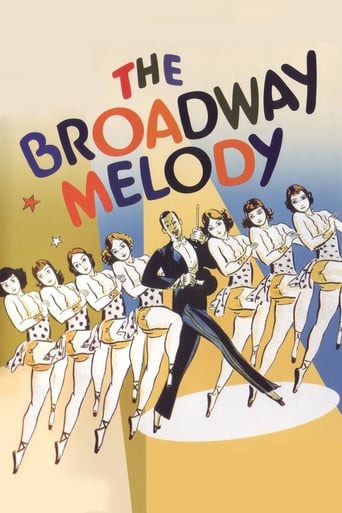
The shelf The first talkies holds thirteen films of 1929 and 1930. Its most voted and best rated film is All Quiet on the Western Front, of 1930, by Lewis Milestone, with Lew Ayres as a young German soldier of the First World War, from the novel of Erich Maria Remarque, rated 7.8 and the winner of the Academy Award for best picture. The best picture of the year before is here too, The Broadway Melody, of 1929, the first sound film to win the award, a backstage musical of two sisters on Broadway; today, rated 5.1, it is the lowest rated film of the shelf, a sign of how quickly the musicals of the first talkies aged.
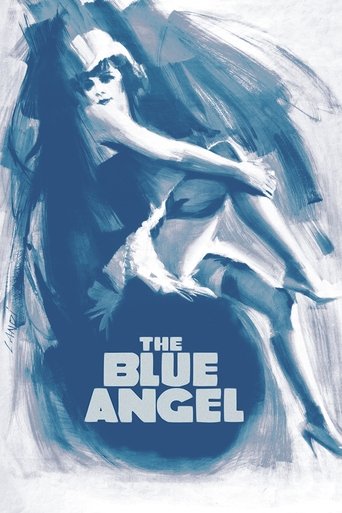
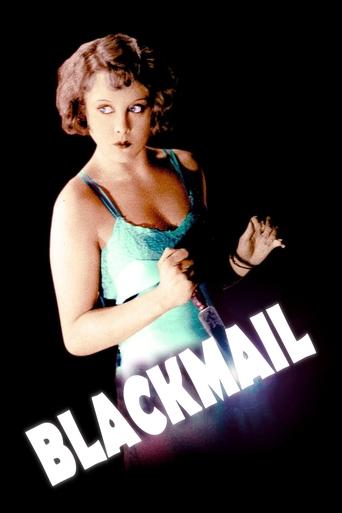
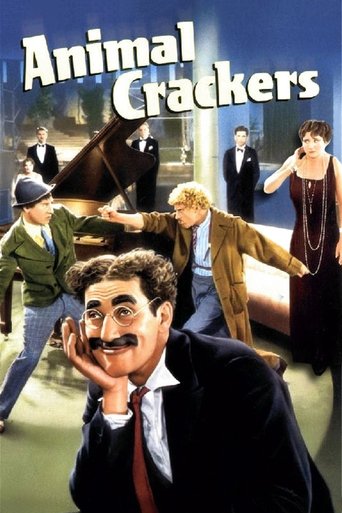
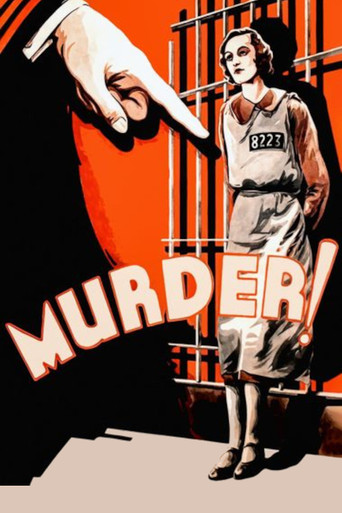
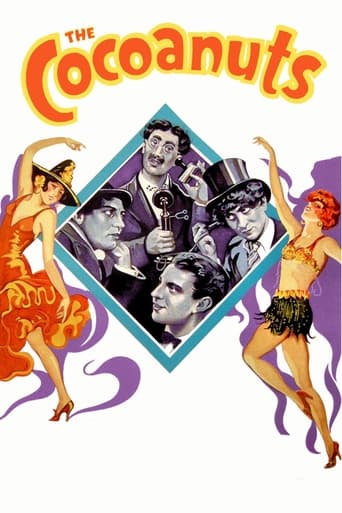
Marlene Dietrich became a star on this shelf. In The Blue Angel, of 1930, by Josef von Sternberg, made in German and in English, she is Lola Lola, the cabaret singer who ruins a stiff professor played by Emil Jannings, rated 7.3; in Morocco, of 1930, her first American film, she sings in a tuxedo and falls for a legionnaire played by Gary Cooper. The Marx Brothers brought their stage shows to the screen in their first two films, The Cocoanuts, of 1929, and Animal Crackers, of 1930, with Groucho as the explorer Captain Spaulding. Alfred Hitchcock has two films: Blackmail, of 1929, begun as a silent film and remade for sound, often called the first British talkie, and Murder!, of 1930, a juror who believes the accused is innocent.
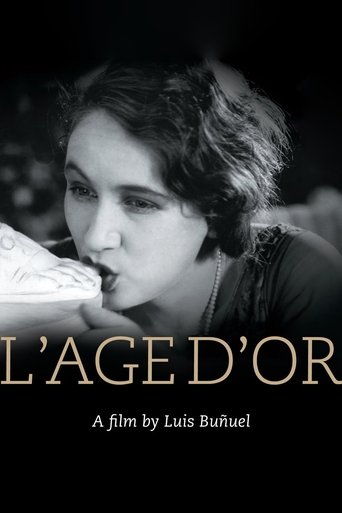
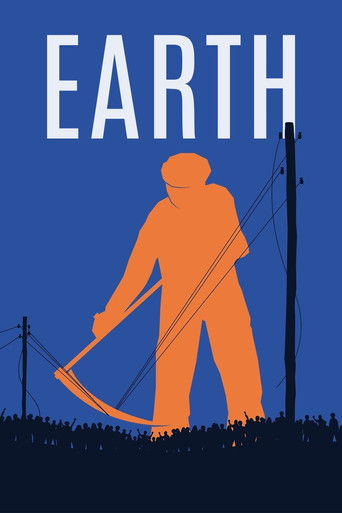
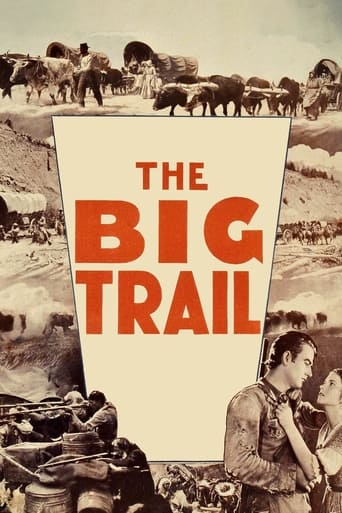
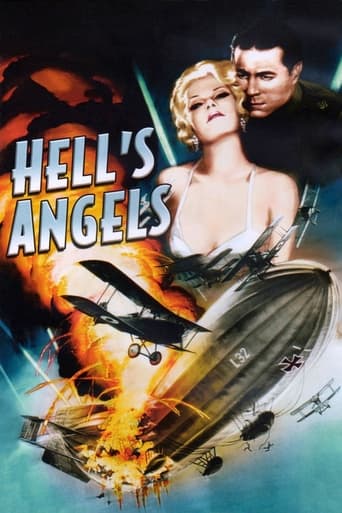
The rest of the shelf shows the range of the new art. The Big Trail, of 1930, by Raoul Walsh, gave John Wayne his first leading role in a western filmed in an early widescreen process; Hell's Angels, of 1930, by Howard Hughes, with Jean Harlow, cost a fortune in aerial battles; The Divorcee, of 1930, won Norma Shearer the award for best actress, and L'Âge d'or, of 1930, by Luis Buñuel, written with Salvador Dalí, was a surrealist scandal in Paris. Earth, of 1930, by Alexander Dovzhenko, in Ukrainian, was still made as a silent film, a hymn to the harvest and to the collective farms of the young Soviet Union.
Films of fact
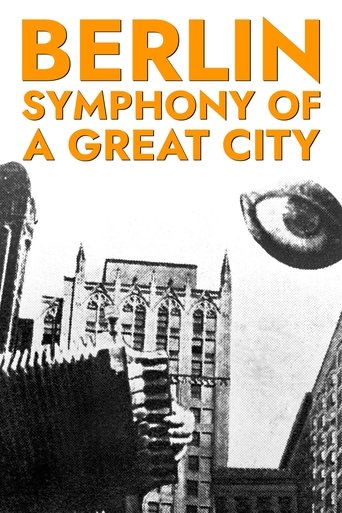
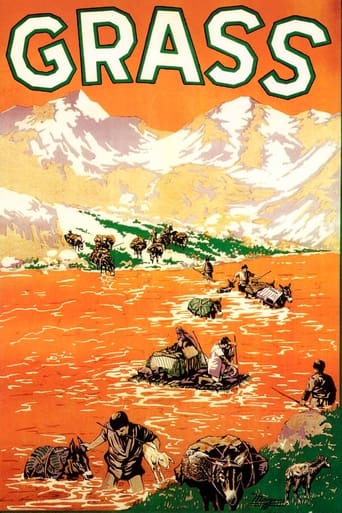
The shelf Films of fact holds thirteen documentaries from 1922 to 1946. Its most voted is Nanook of the North, of 1922, by Robert Flaherty, the life of an Inuit hunter and his family in the north of Quebec, the first feature documentary to become a hit, though many of its scenes were staged. The expeditions of Merian C. Cooper and Ernest B. Schoedsack, who later made King Kong, gave the shelf two films: Grass, of 1925, the migration of the Bakhtiari people across the mountains of Persia with their herds, the best rated film of the shelf, rated 7.7, and Chang: A Drama of the Wilderness, of 1927, a farmer and his family in the jungle of Siam. Berlin: Symphony of a Great City, of 1927, by Walter Ruttmann, is a day in the life of the German capital from dawn to midnight, the cousin of Man with a Movie Camera, rated 7.5, and Drifters, of 1929, by John Grierson, the herring fishermen of the North Sea, is the founding film of the British documentary movement; Grierson himself gave the word documentary its modern meaning.
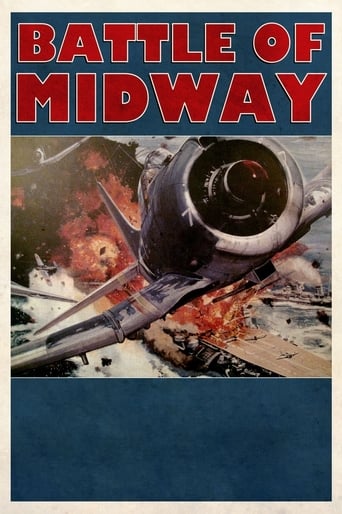
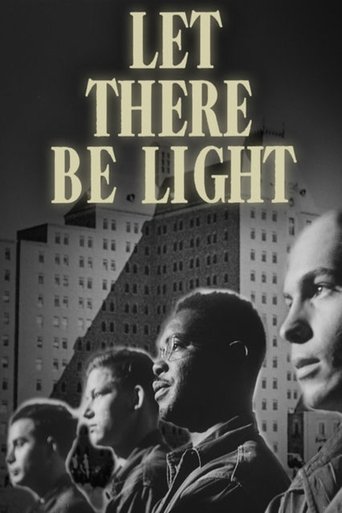
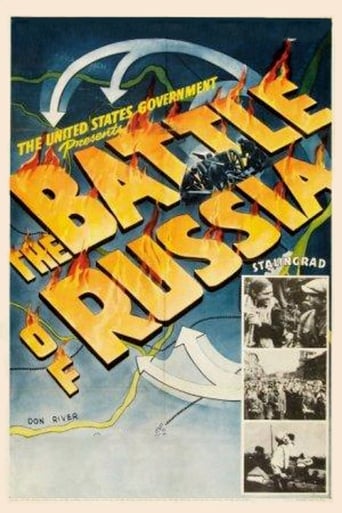
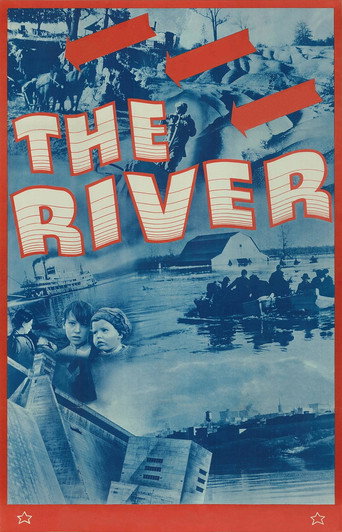
The Second World War brought the great directors of Hollywood into uniform. Frank Capra made the series Why We Fight for the American army, three of whose films are here: Prelude to War, of 1942, which won the Academy Award for documentary, Divide and Conquer, of 1943, and The Battle of Russia, of 1943, directed with Anatole Litvak. John Ford filmed The Battle of Midway, of 1942, himself, under fire, eighteen minutes that also won an Academy Award; William Wyler flew with the crew of a bomber for The Memphis Belle, of 1944; and John Huston made The Battle of San Pietro, of 1945, a battle of the Italian campaign, and Let There Be Light, of 1946, about soldiers treated for the trauma of war, which the army kept from the public until 1980. The River, of 1938, by Pare Lorentz, a film of the government about the Mississippi and the floods of its valley, completes the shelf. The guide The films of war follows them.
The free golden age
The third family, The free golden age, gathers 76 films of the 1930s to the 1960s, with about 18,200 votes and an average of 5.96. These films are much younger than the silent classics, and they circulate freely for a different reason: their copyright lapsed. For American films of those years, the law required a proper notice of copyright on the film and a renewal after 28 years, and many studios, especially the small ones, let the renewal slip or forgot the notice altogether. The result is a strange and wonderful mixture, in which screwball comedies by Howard Hawks and Frank Capra share the shelves with the cheapest monster films ever shot. The guide The free golden age sums up the family.
Comedy and romance
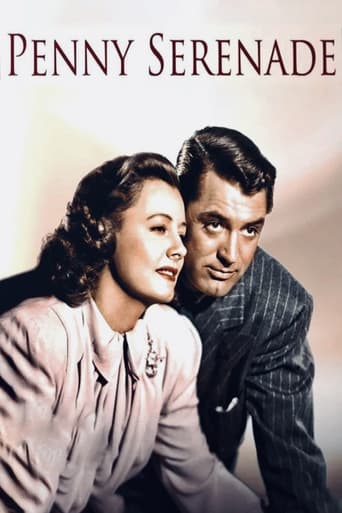
The shelf Comedy and romance holds thirteen films from 1936 to 1963, and Cary Grant stars in three of them. The most voted and best rated is Charade, of 1963, by Stanley Donen, with Grant and Audrey Hepburn in a comedy thriller of Paris, rated 7.7, which entered the public domain because its titles lacked a proper copyright notice. His Girl Friday, of 1940, by Howard Hawks, with Grant as a newspaper editor and Rosalind Russell as his former wife and best reporter, talking faster than anyone in the history of the cinema, is the great screwball comedy of the shelf, and Penny Serenade, of 1941, by George Stevens, a tearjerker of a couple who adopt a child, earned Grant a nomination for the Academy Award.
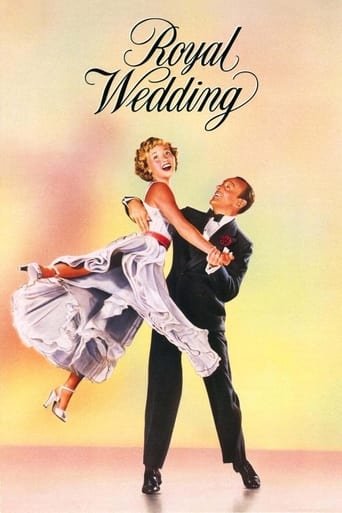
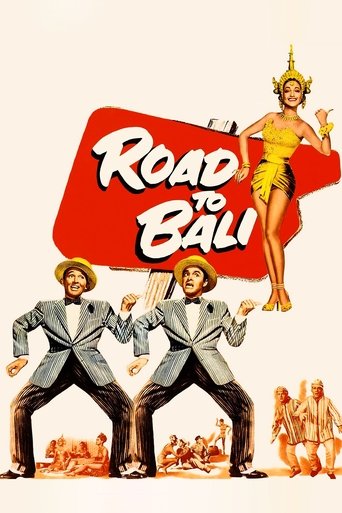
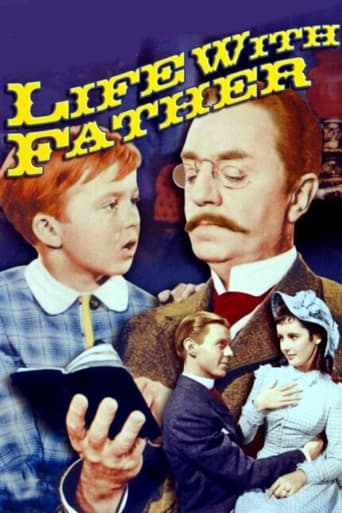
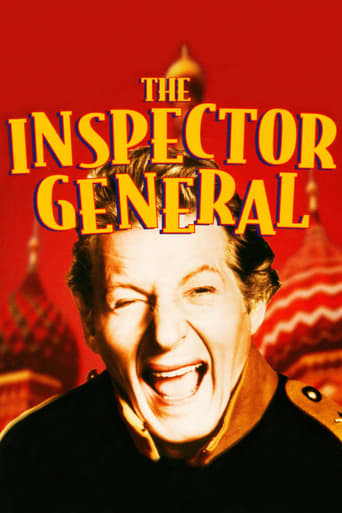
The other screwball classic is My Man Godfrey, of 1936, by Gregory La Cava, with William Powell as a homeless man hired as a butler by a wild rich family and Carole Lombard as the daughter who falls for him, rated 7.6. Frank Capra has Meet John Doe, of 1941, with Gary Cooper and Barbara Stanwyck, a newspaper stunt that becomes a political movement; William A. Wellman has the first A Star Is Born, of 1937, with Janet Gaynor and Fredric March, rated 7.2, and John Huston has Beat the Devil, of 1953, with Humphrey Bogart, a parody of adventure films co-written by Truman Capote. The musicals and family comedies complete the shelf: Royal Wedding, of 1951, also by Stanley Donen, in which Fred Astaire dances on the walls and the ceiling of a room; Road to Bali, of 1952, the only Road film of Bing Crosby and Bob Hope in colour; Life with Father, of 1947, by Michael Curtiz, with William Powell and Irene Dunne; The Inspector General, of 1949, with Danny Kaye; Topper Returns, of 1941, and Made for Each Other, of 1939, with Carole Lombard and James Stewart.
Film noir
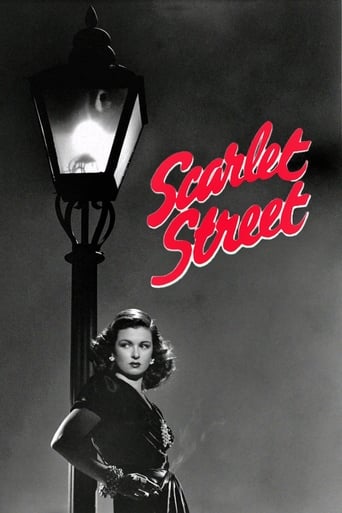
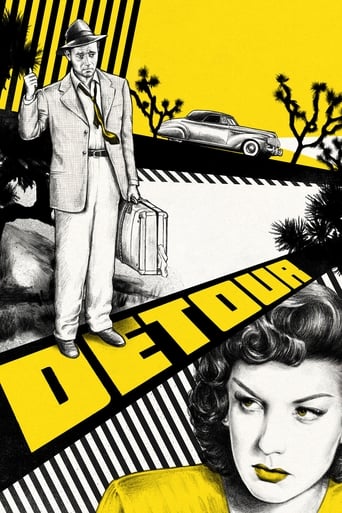
The shelf Film noir holds thirteen films from 1945 to 1955, the crime dramas of shadows and doomed men. Its most voted film is The Stranger, of 1946, by and with Orson Welles as a Nazi war criminal hiding in a small town of Connecticut, hunted by an investigator played by Edward G. Robinson, and its best rated is Scarlet Street, of 1945, by Fritz Lang, with Robinson again as a timid cashier and painter ruined by a con woman, played by Joan Bennett, rated 7.6. Detour, of 1945, by Edgar G. Ulmer, shot in a few days for a poverty-row studio, a pianist hitchhiking to Los Angeles into a nightmare, lasts only 68 minutes and has become one of the most admired noirs of all.
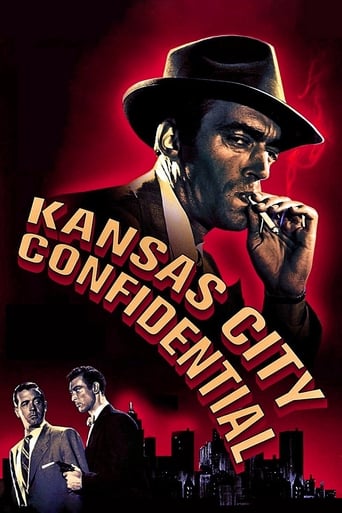
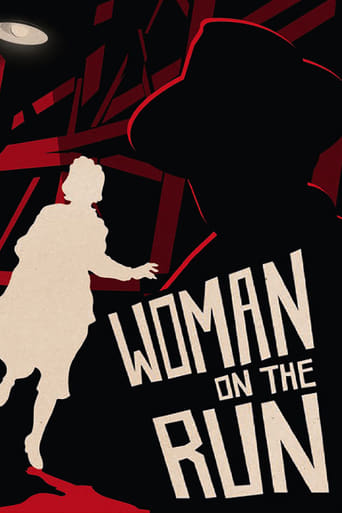
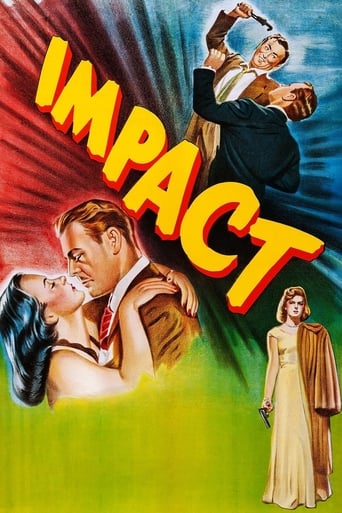
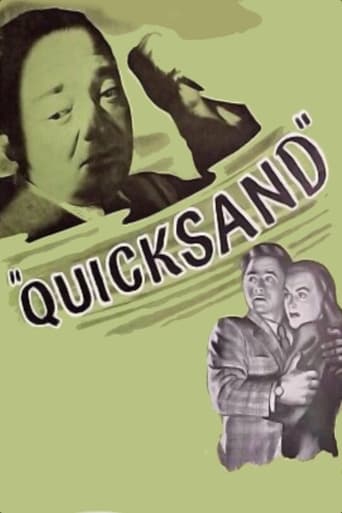
Edmond O'Brien appears twice: in D.O.A., of 1949, as a man who has been poisoned and spends his last hours finding his own killer, and in The Hitch-Hiker, of 1953, as one of two friends taken hostage by a killer, the first American noir directed by a woman, Ida Lupino. The Strange Love of Martha Ivers, of 1946, by Lewis Milestone, with Barbara Stanwyck and Kirk Douglas in his first film; The Man with the Golden Arm, of 1955, by Otto Preminger, with Frank Sinatra as a drummer fighting heroin; Kansas City Confidential, of 1952, a heist and its fall guy; Too Late for Tears, of 1949, with Lizabeth Scott and a bag of money thrown into the wrong car; Woman on the Run, of 1950, a wife searching San Francisco for her husband, a witness to a murder; and Quicksand, of 1950, with Mickey Rooney, Impact, of 1949, and The Second Woman, of 1950, complete the shelf.
B-movie horror
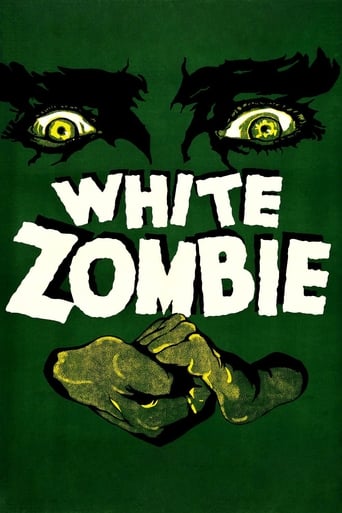
The shelf B-movie horror holds thirteen films from 1932 to 1968, and its most voted and best rated film is one of the most influential horror films ever made: Night of the Living Dead, of 1968, by George A. Romero, shot in black and white near Pittsburgh, a group of strangers trapped in a farmhouse by the walking dead, with Duane Jones as Ben, rated 7.6. Its distributor removed the copyright notice from the titles when it changed the name of the film, and it has belonged to everyone ever since. The oldest film of the shelf is White Zombie, of 1932, with Bela Lugosi as a voodoo master of Haiti, the first feature film about zombies.
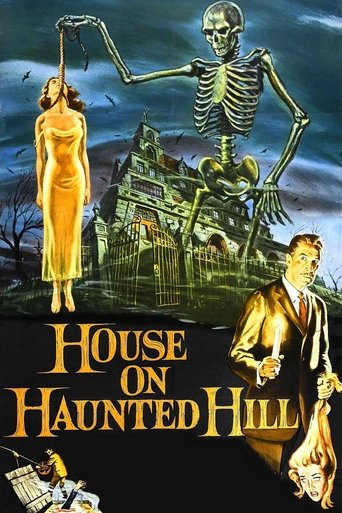
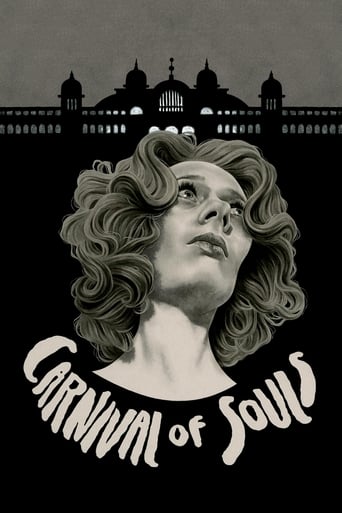
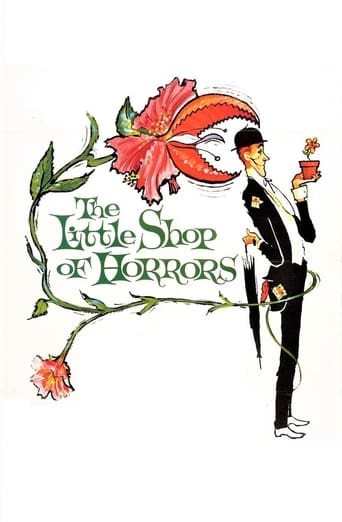
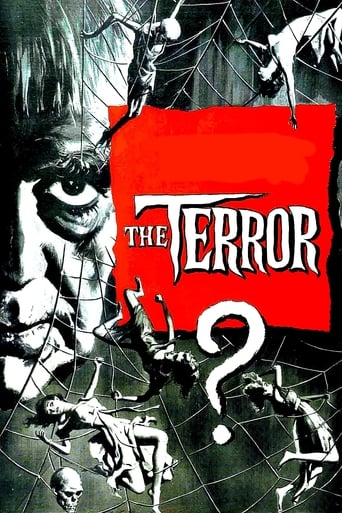
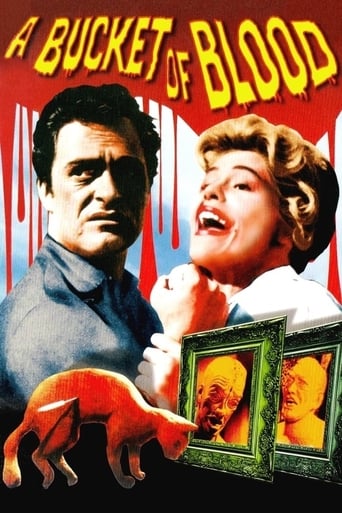
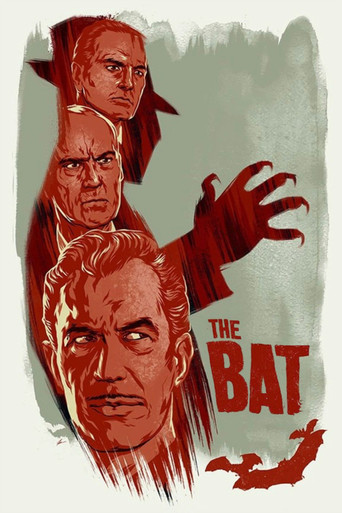
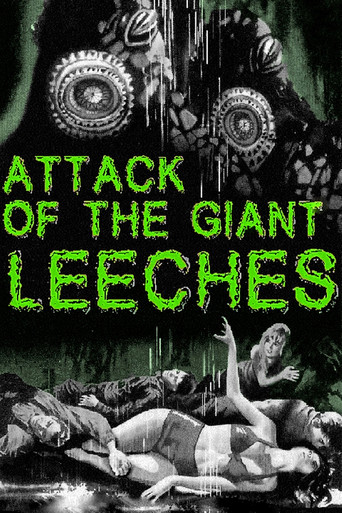
Vincent Price stars in three films of the shelf: House on Haunted Hill, of 1959, by William Castle, a millionaire who offers his guests money to survive a night in a haunted house; The Last Man on Earth, of 1964, the first adaptation of the novel I Am Legend of Richard Matheson, and The Bat, of 1959, with Agnes Moorehead. Roger Corman made three films of the shelf: The Little Shop of Horrors, of 1960, shot in two days, a florist and his bloodthirsty plant, with a young Jack Nicholson as a dental patient; A Bucket of Blood, of 1959, a busboy who becomes a famous sculptor with gruesome methods, and The Terror, of 1963, with Boris Karloff and Nicholson again. Corman also produced Dementia 13, of 1963, the first mainstream feature directed by Francis Ford Coppola. Carnival of Souls, of 1962, by Herk Harvey, a woman haunted after a car accident, made by a director of industrial films in Kansas, is the most poetic film of the shelf, and The Killer Shrews, Attack of the Giant Leeches and The Screaming Skull, all of 1958 and 1959, are the drive-in monsters.
Cult and camp
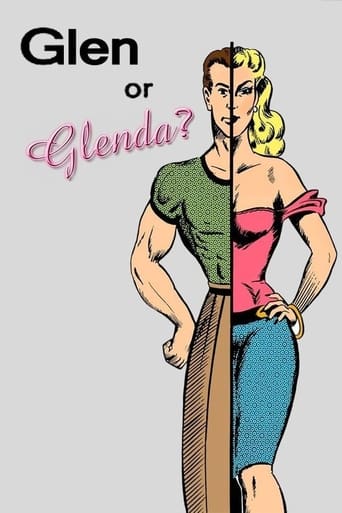
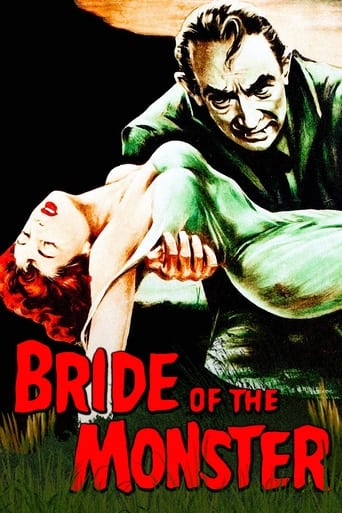
The shelf Cult and camp holds thirteen films from 1938 to 1966, and with an average of 3.91 it is by far the lowest rated shelf of the guide, on purpose. These are the films that audiences love for their failures: the cardboard sets, the wooden dialogue, the monsters in rubber suits. Their king is Edward D. Wood Jr., who made three of them: Plan 9 from Outer Space, of 1957, the most voted film of the shelf, in which aliens raise the dead to stop humanity from building a doomsday weapon, with a few seconds of Bela Lugosi filmed before his death; Glen or Glenda, of 1953, his personal plea for tolerance of cross-dressing, and Bride of the Monster, of 1955, with Lugosi as a mad scientist and the wrestler Tor Johnson as his servant. Johnson returns as the monster of The Beast of Yucca Flats, of 1961.
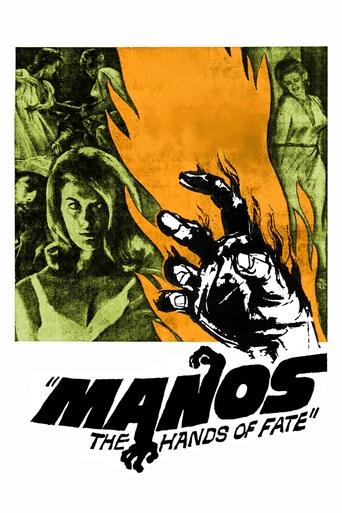
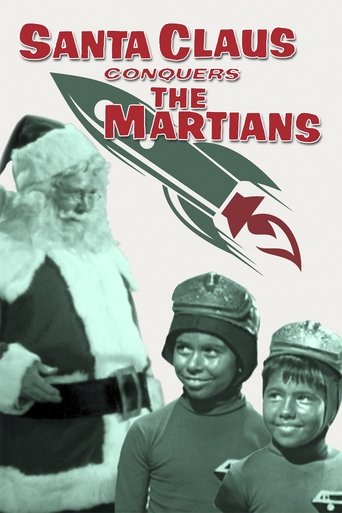
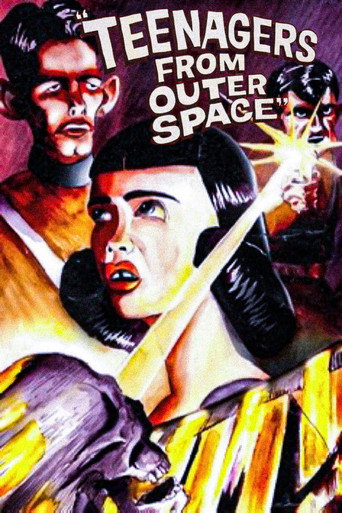
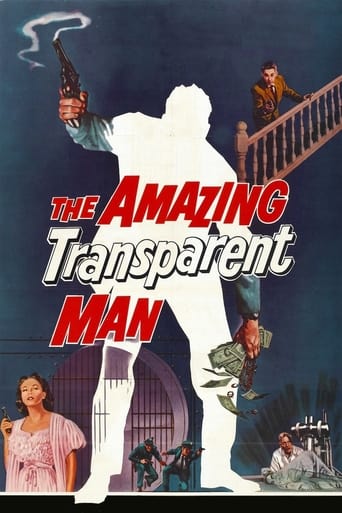
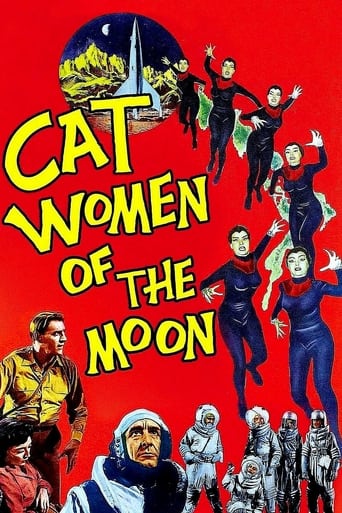
The lowest rated film of the guide is here too: "Manos" The Hands of Fate, of 1966, made in El Paso by a fertiliser salesman on a bet, rated 2.2, often called one of the worst films ever made. Several films of the shelf found a second life on the television series Mystery Science Theater 3000, whose hosts mocked them from the front row: Robot Monster, of 1953, an alien made of a gorilla suit and a diving helmet; Santa Claus Conquers the Martians, of 1964, in which Martians kidnap Santa so that their children can have Christmas; Eegah, of 1962, a caveman played by the young Richard Kiel; Teenagers from Outer Space, of 1959, and the two films that Edgar G. Ulmer, the director of Detour, shot back to back in Texas in 1960, The Amazing Transparent Man and Beyond the Time Barrier. Cat-Women of the Moon, of 1953, and Tell Your Children, made in 1936 and better known as Reefer Madness, a warning against marijuana that became a comedy for later generations, complete the shelf.
Detectives and westerns
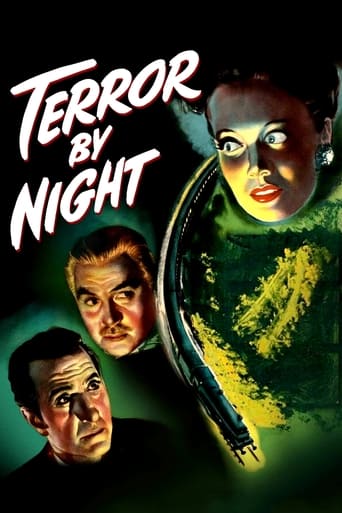
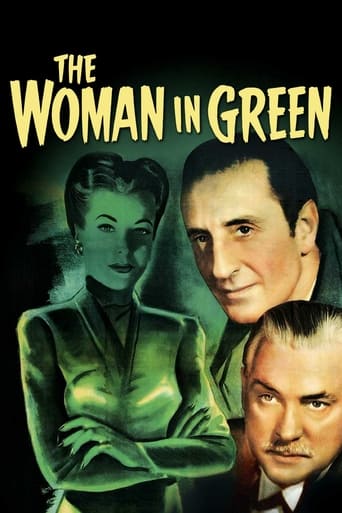
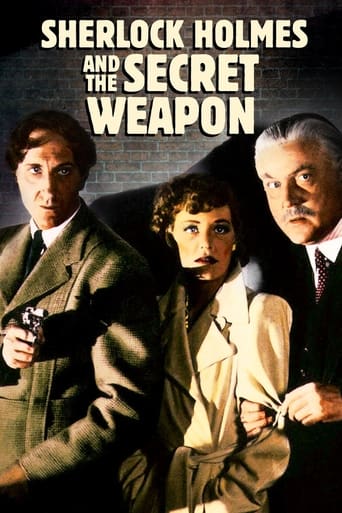
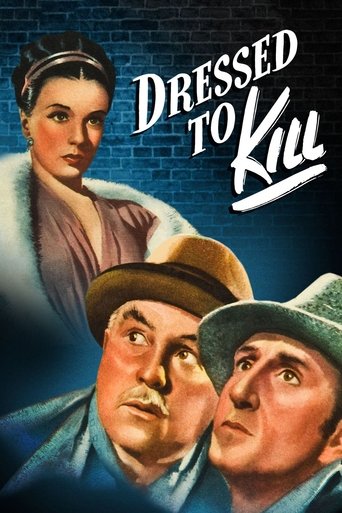
The shelf Detectives and westerns holds thirteen films from 1932 to 1963. Its most voted film is The Most Dangerous Game, of 1932, with Joel McCrea as a hunter shipwrecked on the island of a count who hunts men for sport, and Fay Wray, filmed by night on the same jungle sets as King Kong, rated 6.9. Basil Rathbone and Nigel Bruce, the most famous Holmes and Watson of the cinema, appear in four films of the shelf, the four of their Universal series that circulate freely: Sherlock Holmes and the Secret Weapon, of 1942, in which Holmes protects a bombsight from Moriarty during the war; The Woman in Green, of 1945; Terror by Night, of 1946, a jewel on a night train to Edinburgh, and Dressed to Kill, of 1946, the last of the series.
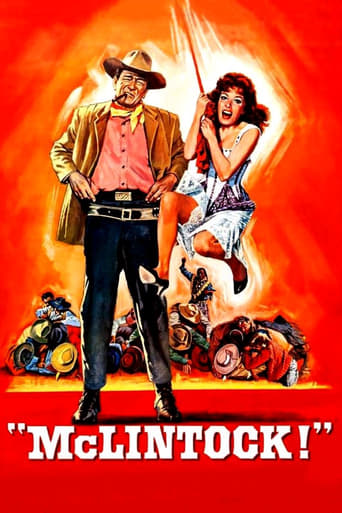
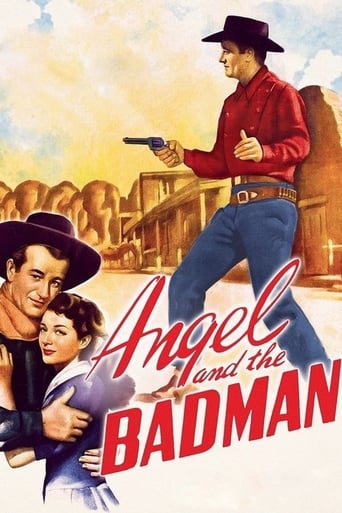
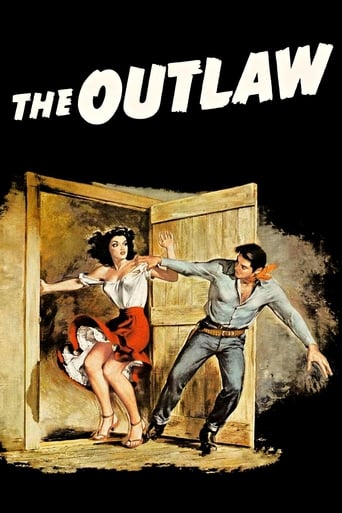
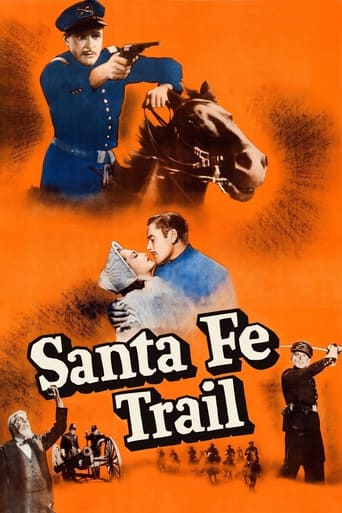
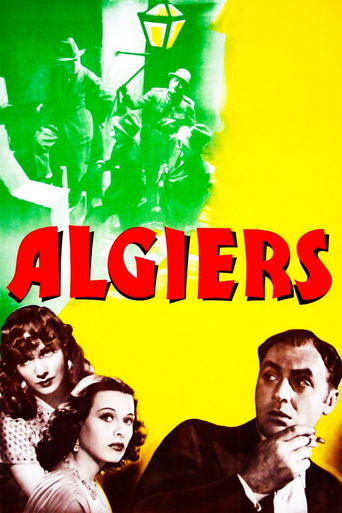
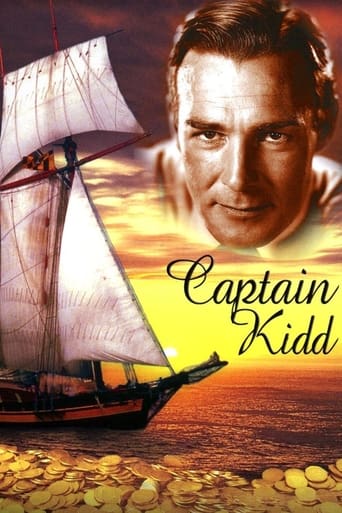
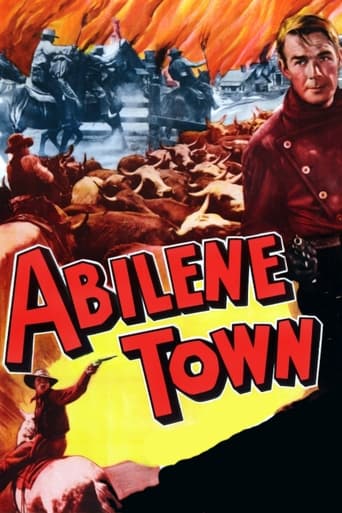
John Wayne has two westerns on the shelf, Angel and the Badman, of 1947, a gunfighter changed by a Quaker girl played by Gail Russell, and McLintock!, of 1963, a cattle baron at war with his wife, played by Maureen O'Hara, and a third film of the guide on the shelf of the first talkies, The Big Trail. The Outlaw, of 1943, by Howard Hughes, the story of Billy the Kid made famous by the scandal over Jane Russell; Santa Fe Trail, of 1940, by Michael Curtiz, with Errol Flynn, Olivia de Havilland and Ronald Reagan, and Abilene Town, of 1946, with Randolph Scott, are the other westerns. The rest are tales of adventure and crime: Algiers, of 1938, by John Cromwell, with Charles Boyer as the thief Pépé le Moko hiding in the Casbah and Hedy Lamarr in her first American film; Captain Kidd, of 1945, with Charles Laughton as the pirate, and The Man on the Eiffel Tower, of 1949, with Laughton as Inspector Maigret, the only film directed by the actor Burgess Meredith.
Family classics
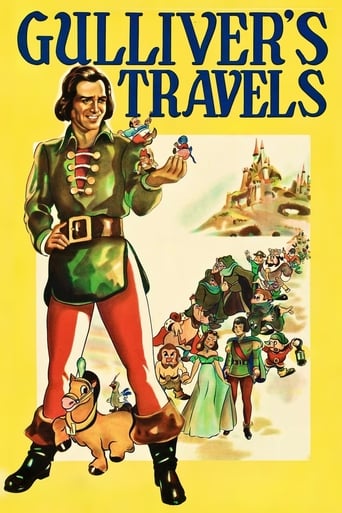
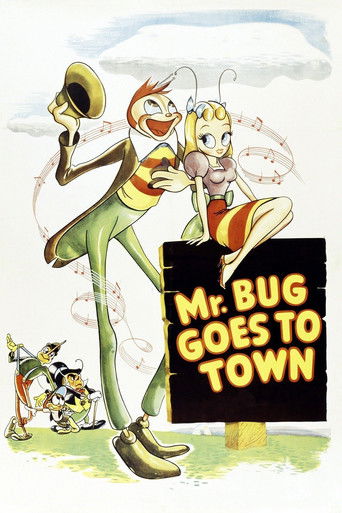
The shelf Family classics holds eleven films from 1928 to 1952. The Fleischer brothers, rivals of Disney, made the two animated features of the shelf: Gulliver's Travels, of 1939, the second animated feature of an American studio after Snow White, and Mr. Bug Goes to Town, of 1941, the insects of a garden in New York. Babes in Toyland, of 1934, the most voted film of the shelf, with Stan Laurel and Oliver Hardy as the helpers of a toymaker who save Toyland from the wooden soldiers, is a Christmas favourite of American television, and Bud Abbott and Lou Costello have two comedies, Africa Screams, of 1949, and Jack and the Beanstalk, of 1952, their first film in colour.
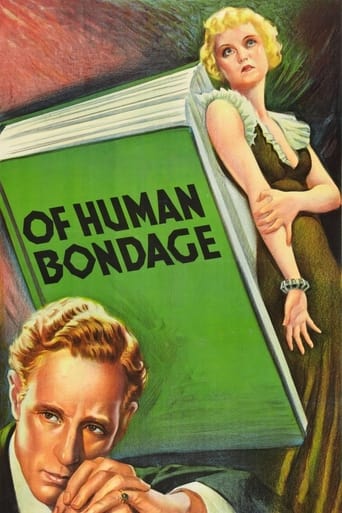
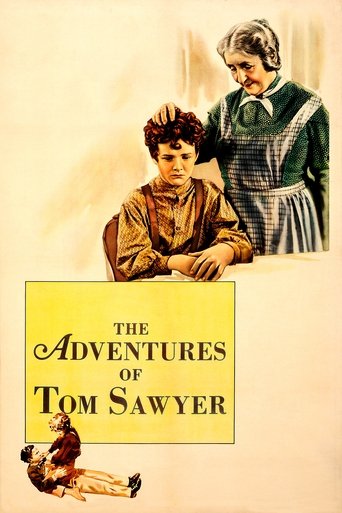
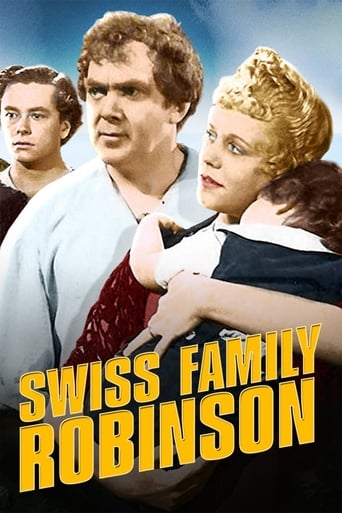
The literary adaptations of the shelf were made for the whole family. The Little Princess, of 1939, was the first film of Shirley Temple in Technicolor; The Adventures of Tom Sawyer, of 1938, also in Technicolor, and Little Lord Fauntleroy, of 1936, with Freddie Bartholomew, were produced by David O. Selznick; Swiss Family Robinson, of 1940, shipwrecks a family on a desert island, and Of Human Bondage, of 1934, by John Cromwell, with Leslie Howard and Bette Davis in the role that made her a star, is the one drama for adults among them. John Cromwell directed four films of the guide, with Little Lord Fauntleroy, Algiers and Made for Each Other. The oldest film of the shelf is The Little Match Girl, of 1928, by Jean Renoir, a fairy tale of Hans Christian Andersen in 38 minutes, with Catherine Hessling in the title role.
The public domain
The public domain is the common property of a culture: the works that anyone may copy, adapt, perform and share. In the United States, a film enters it in one of two ways. The first is age. A film released in 1930 or earlier is now free, and every 1 January a new year joins them: the films of 1928 entered the public domain in 2024, those of 1929 in 2025 and those of 1930, from All Quiet on the Western Front to The Blue Angel and Animal Crackers, in 2026. The talkies of 1931, with the first Frankenstein and Dracula, will follow in 2027. The second way is a gap in the paperwork. For decades the law asked for a notice of copyright on every copy and a renewal after 28 years, and the films whose owners skipped one of the two steps fell into the public domain long before their time: His Girl Friday, Detour, Charade, Night of the Living Dead and many of the films of the third family of the guide.
The films made by the American government belong to everyone from the start, which is why the war documentaries of Frank Capra, John Ford, William Wyler and John Huston are on the shelves. The rules of other countries are different: many European films of the 1920s are protected in Europe until seventy years after the death of their authors, so the same film may be free in one country and protected in another. A film of the public domain also often exists in many versions, from scratched copies of old television prints to careful restorations with new music, and the restorations themselves may be protected. The guide The public domain explains the rules in more detail.
The shadows of Germany
Fourteen films of the guide are German, more than from any country after the United States, and most of them belong to the great decade of the Weimar cinema, between the end of the First World War and the arrival of sound. Its directors invented a style that the whole world copied: painted sets with crooked walls and false perspectives in The Cabinet of Dr. Caligari, the vampire whose shadow climbs the stairs in Nosferatu, the city of towers and machines in Metropolis, and the unchained camera of The Last Laugh, which moves through a hotel as freely as a guest. When sound came and politics darkened, many of these artists left for Hollywood: Murnau made Sunrise there, Lang made Scarlet Street, Conrad Veidt played in The Man Who Laughs, and their shadows passed into the film noir of the 1940s, which sits on another shelf of this guide. The guide The shadows of Germany follows them from Berlin to Hollywood.
The directors and the stars
Buster Keaton is the star of the guide, with eight films, all on the shelf of silent comedy, most of them directed or co-directed by himself. Lillian Gish follows with four films, three of D. W. Griffith and one of Victor Sjöström, and Basil Rathbone and Nigel Bruce with the four Sherlock Holmes films. Charlie Chaplin, Cary Grant, Janet Gaynor, Vincent Price, Bela Lugosi, John Wayne, Emil Jannings and Walter Huston, the voice of the Why We Fight films, each appear in three. Among the directors, Buster Keaton, Fritz Lang, F. W. Murnau, Frank Capra, John Cromwell and Roy William Neill, the director of the Holmes films, each have four films or more, and Sergei Eisenstein, D. W. Griffith, Alfred Hitchcock, Roger Corman, Edward D. Wood Jr. and Edgar G. Ulmer three each, a list that runs from the summit of the art to its basement. The guide The directors lists them all, and the guide The stars the actors who appear most often.
StreamDor in figures
The 154 films of the guide were released from 1916 to 1968: two in the 1910s, 59 in the 1920s, 24 in the 1930s, 33 in the 1940s, 22 in the 1950s and fourteen in the 1960s. They carry about 53,000 votes on TMDB, with an average rating of 6.58; five reach 8 or more, The Kid and Metropolis with an 8.1, and The Gold Rush, Sherlock Jr. and The Passion of Joan of Arc with an 8.0. The collection Rated 7.5 or more gathers the 35 films rated 7.5 or more, best first; the collection Before 1925 gathers the 21 oldest, from Intolerance to the comedies of 1924, and the collection The 1950s and 1960s the 36 youngest. Together the films last 14,144 minutes, more than 235 hours of free cinema. The guide The figures gathers every number.
Where to begin
For a first evening, choose one film from each family. From The silent screen, try The General or The Kid for laughter, Nosferatu or Metropolis for wonder, and Sunrise: A Song of Two Humans for the most beautiful love story of the silent age. From Early sound and fact, try All Quiet on the Western Front, the newest film of the public domain, or Nanook of the North. From The free golden age, try His Girl Friday or Charade for comedy, Detour or Scarlet Street for noir, and Night of the Living Dead for fear; and for a midnight of bad cinema, Plan 9 from Outer Space. The guide Start with StreamDor gives one pick from each shelf.
How to use StreamDor
The home page opens with the introduction and the Free classics, the navy board of the twelve shelves. Each box shows its family in pale blue, the name of the shelf and its number of films, and leads to its row on the same page. Each row has a blue heading, a line of posters and a See all button that opens the full shelf. The menu in the navy bar leads to the three families, and the search box finds any film by its title; the guide Search tips explains how.
Each poster carries the year and the TMDB rating and, in a navy band at the bottom, the tag of its shelf, for example Silent comedy or Noir, and the poster turns grey under the pointer, as on the old site; under the poster come the first genre and the running time. The page of each film has the English synopsis, the cast, the director and the genres. The Watch now button opens the film on JustWatch, which shows the services that offer it in your country, and the button Add to My List keeps it in My movies, stored in your browser. The guide How to use StreamDor explains each part, and the guide The Watch now button explains how JustWatch works.
Questions
What is StreamDor
An English guide to 154 free classics of the silent and golden ages, on twelve shelves in three families.
Why are these films free
Most are in the American public domain, because they were released before 1931 or because their copyright lapsed.
Are they free everywhere
The rules differ by country, so the Watch now button shows what JustWatch lists where you live.
Which film has the most votes
Metropolis, of 1927, by Fritz Lang.
Which films are the best rated
The Kid and Metropolis, with an 8.1 each.
Which is the oldest film
Intolerance, of 1916, by D. W. Griffith.
Which is the longest film
Napoleon, of 1927, by Abel Gance, with 425 minutes.
Which actor appears most often
Buster Keaton, in eight films.
Where can I watch the films
The Watch now button opens each film on JustWatch, which shows the services that offer it in your country.
Where is My list kept
In your browser, on the device where you create it.
